MTB flat pedals
There are three types of mountain bike pedals: flat pedals, clipless pedals and dual-function pedals, which combine a flat platform on one side with a clip-in mechanism on the other. On a mountain bike, pedals play a fundamental role in performance and in how you experience every ride. The right ones improve pedaling efficiency, give you more control and increase comfort on difficult terrain. In this article we go through the types of MTB pedals on the market, their standout features and how to choose the ones that best suit the way you ride.
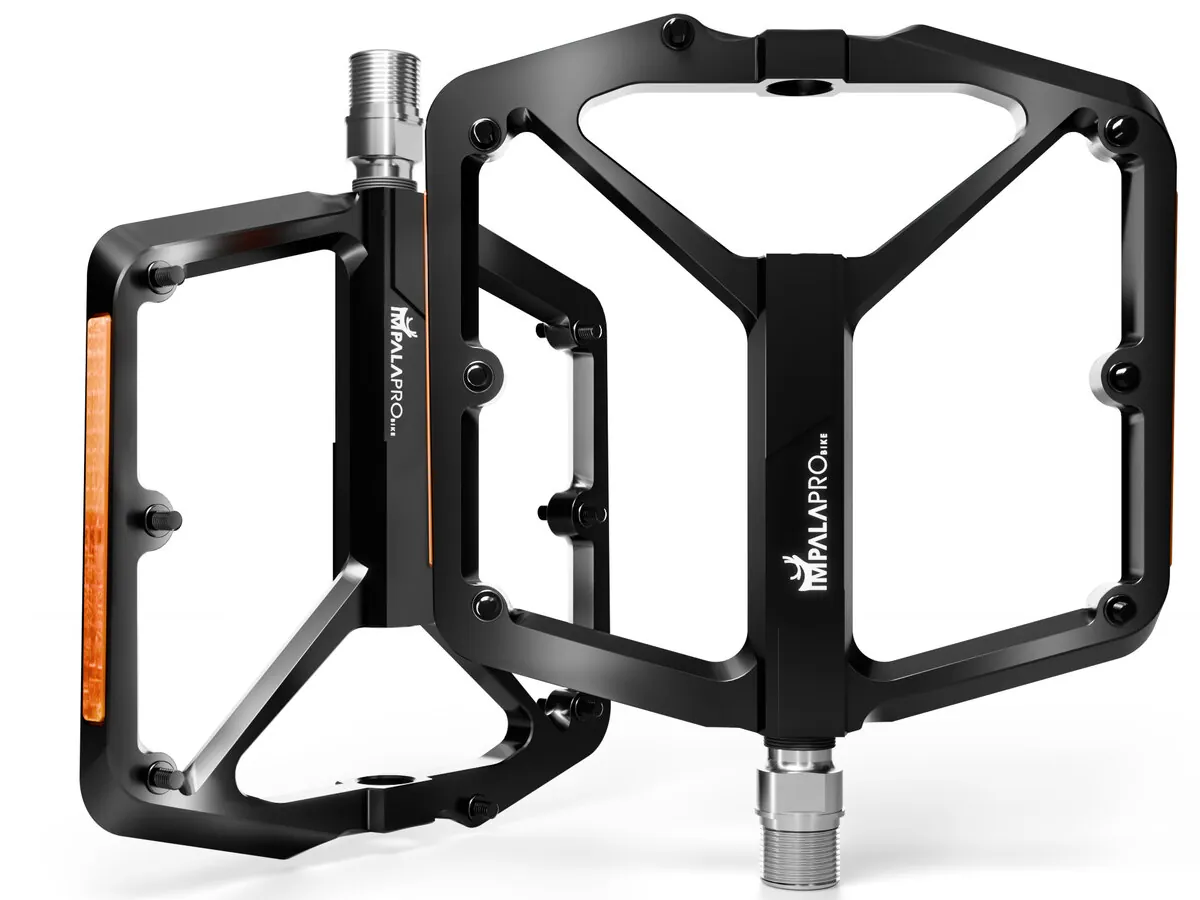
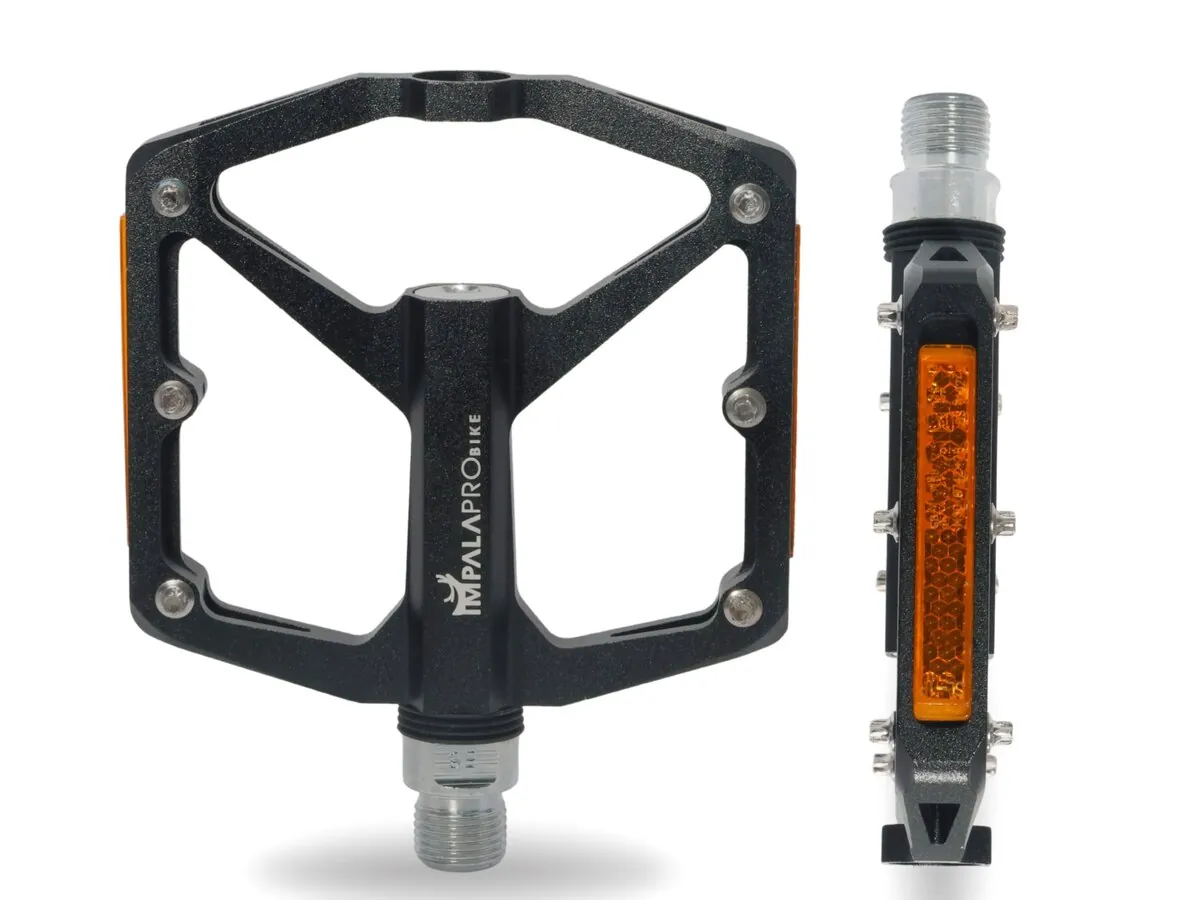
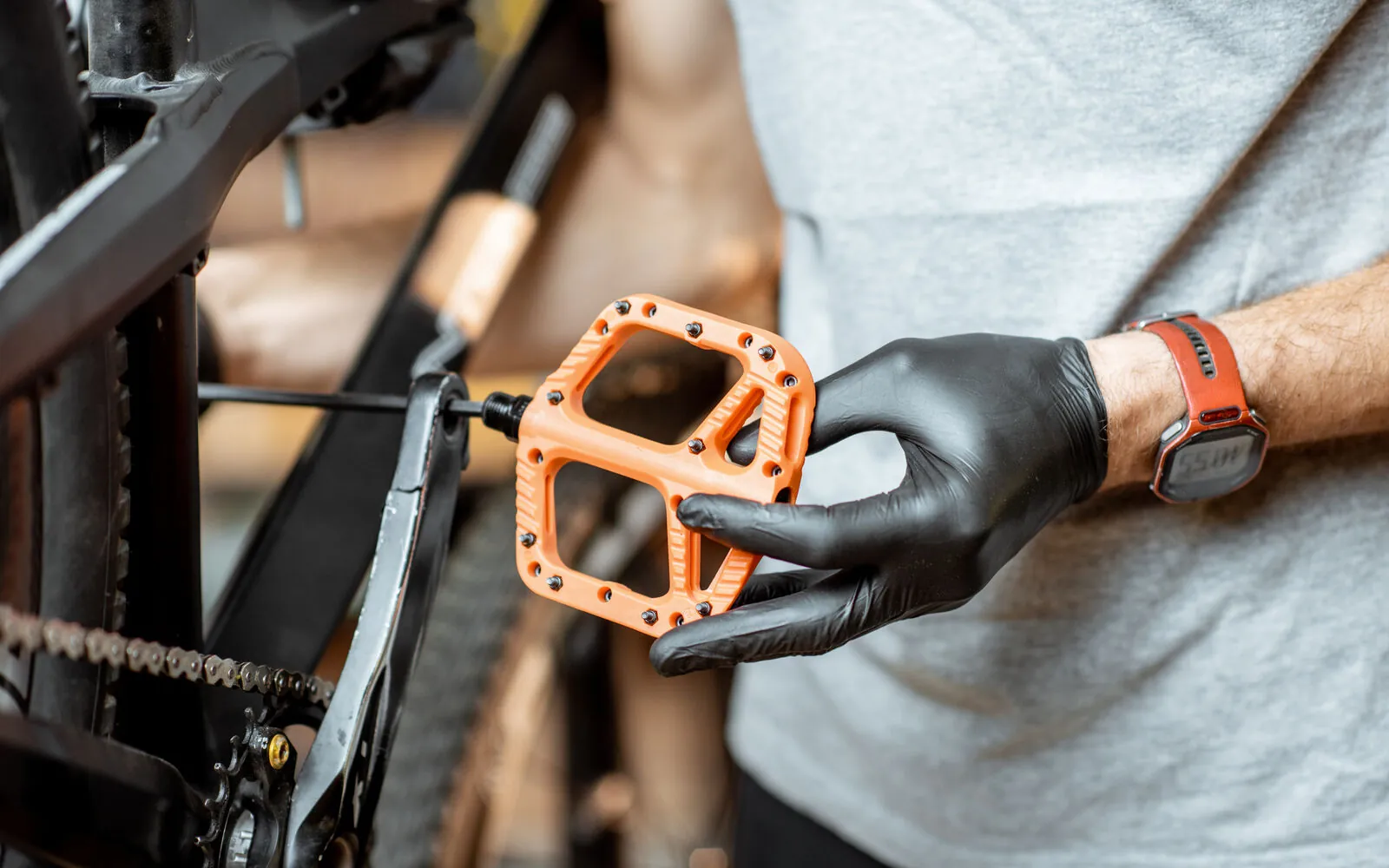
We start with flat pedals, also called platform pedals: the most common and the easiest to use. They offer a flat surface for your foot and need no special fixing system. They are especially popular with beginners and with riders who prefer the freedom to take their foot off instantly when things get sketchy.
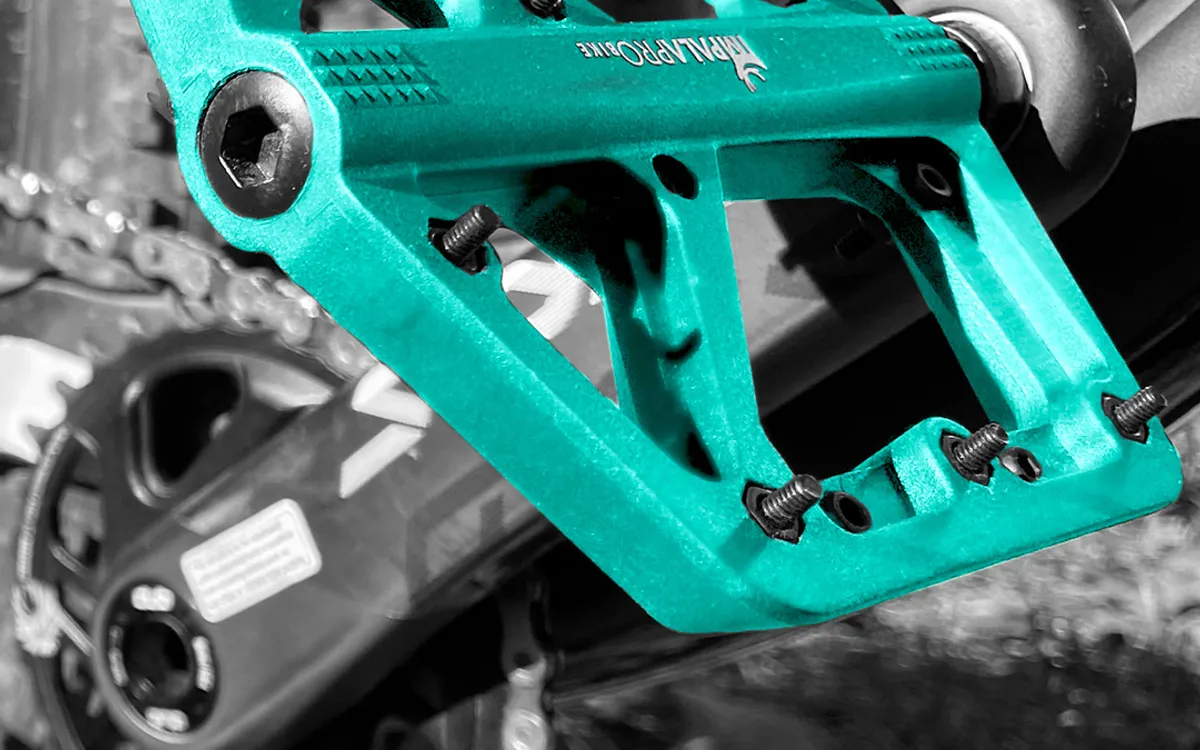
- 01Wide surface. MTB flat pedals give a wide, stable platform for your foot while pedaling: weight is spread more evenly and your foot sits planted.
- 02Freedom of movement. With nothing tying you to the pedal, you move your feet however you like. That is an advantage on technical terrain, where you constantly need to adjust your position to keep your balance or put a foot down if needed.
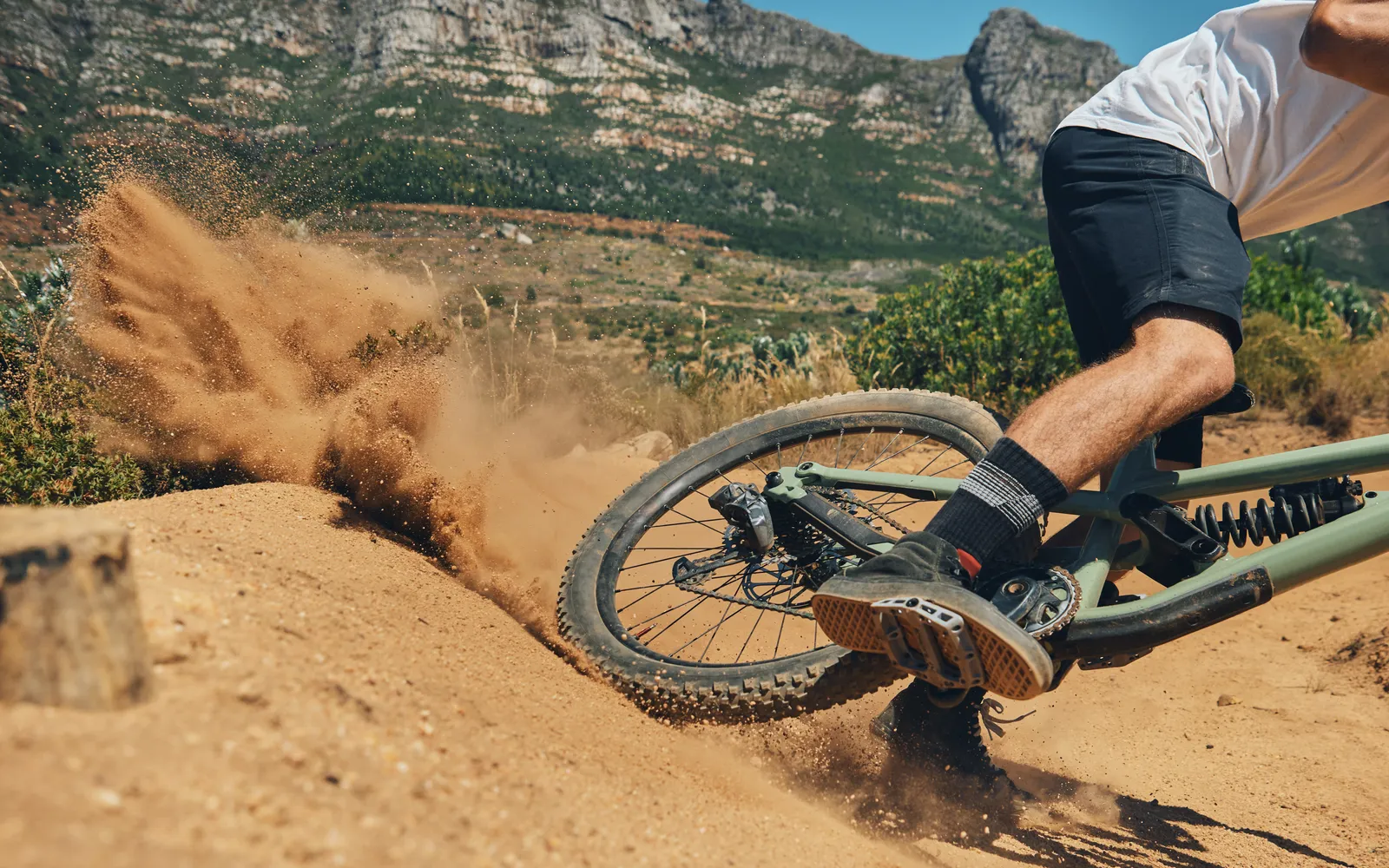
- 03Any footwear. You do not need special shoes. Sneakers or even sandals will do, without cleats. Even so, shoes designed for flat pedals are the recommended choice.
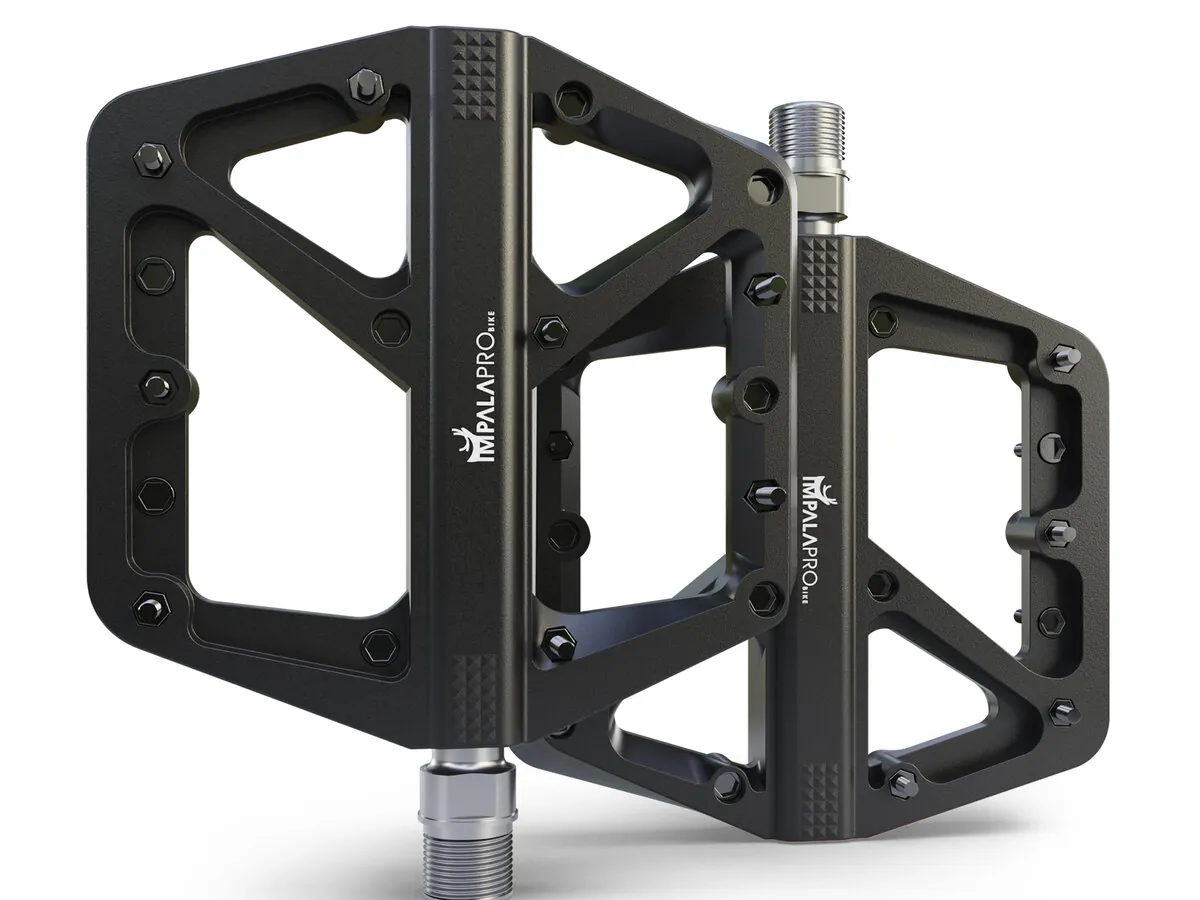
- 04Materials. You will find them in plastic (the most basic), in steel or aluminum (more durability) or in nylon fiber (a good balance between weight and durability). The most demanding riders look for removable pins to improve grip.
- 05Versatility. They are compatible with any type of footwear, so they are ideal if you prefer to ride in your own sneakers or in cycling shoes without cleats.
- 06Easy from day one. No special skill is needed to clip in or out. That is why they are the favorite option for beginners.
- 07Safety. Being able to take your foot off quickly in an emergency helps prevent injuries.
- 08Downside: less efficiency. As your foot is not attached to the pedal, you lose some energy, because you cannot apply constant force throughout the whole pedal stroke.
- 09Downside: less traction. They give less traction than other pedal types, and you notice it when pedaling on slippery or muddy terrain.
- 10Tip: replaceable pins. Choose MTB flat pedals with replaceable pins. They let you adjust the level of grip to your preferences and to the type of terrain you will be riding.
Clipless pedals for MTB
Clipless pedals, also called clip-in pedals, are a very popular option among more experienced riders and those looking to improve their performance. They need specific shoes with a compatible cleat that locks into the pedal. That firm connection between foot and pedal transmits power more efficiently and improves control of the bike.
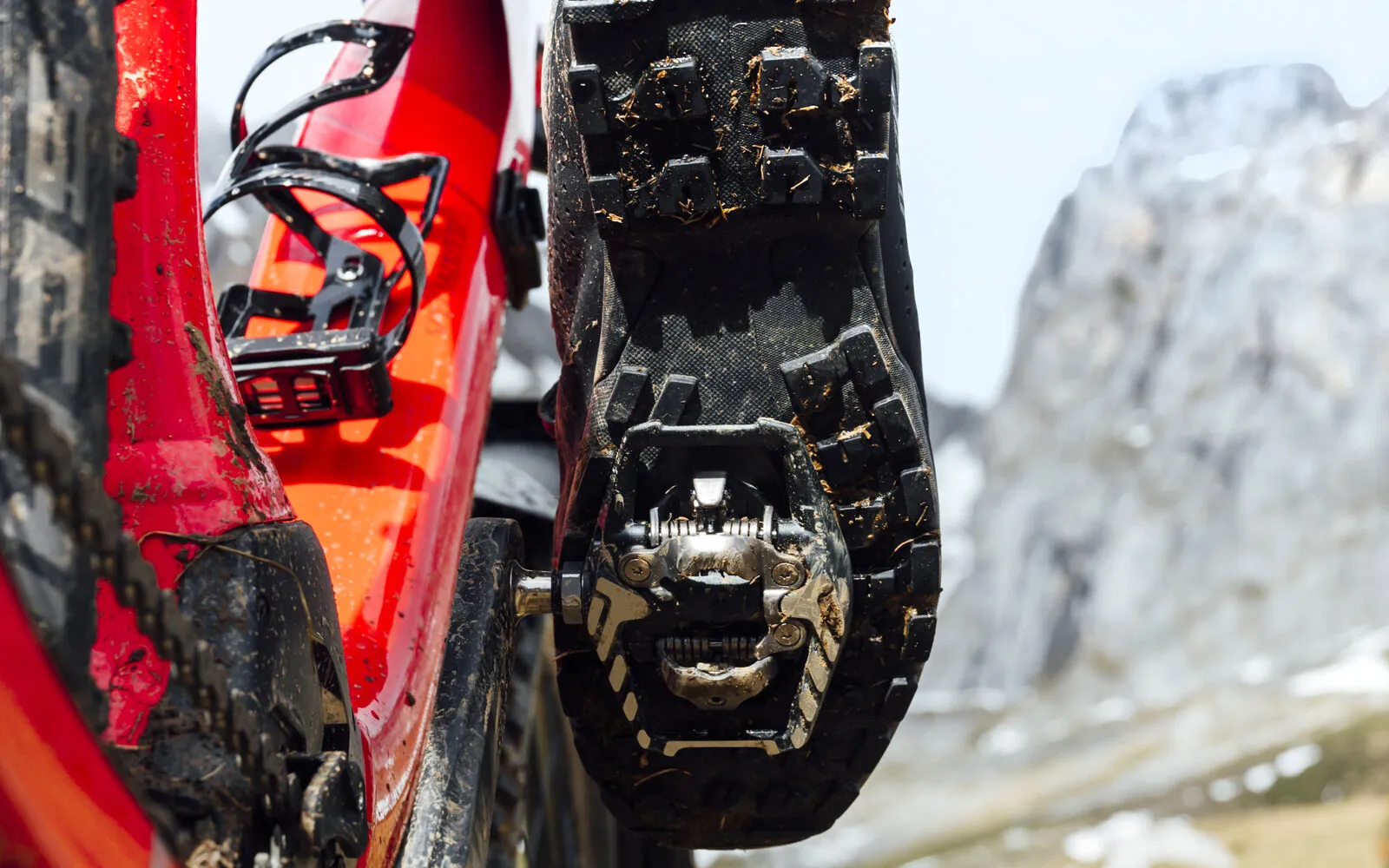
- 01Retention system. A mechanism in the pedal engages the cleat on the sole of the shoe and creates a secure connection between foot and pedal. There are different clip-in systems, such as those compatible with SPD or others from different manufacturers, each with its own features and compatibilities.
- 02Adjustable release. You can adjust the force needed to unclip your foot to suit your preferences.
- 03Materials. They are usually made from aluminum or steel alloys, which ensures good durability and strength.
- 04More pedaling efficiency. By applying constant force throughout the whole pedal stroke, you pedal more efficiently and generate more power.
- 05More control and stability. The firm connection between foot and pedal improves control of the bike, especially on difficult terrain.
- 06Feet that do not slip. On rough terrain, clipless pedals stop your foot slipping off the pedal, and that reduces the risk of injury.
- 07Downside: learning curve. It takes time to get used to unclipping quickly in an emergency. Until you master the skill, there may be falls or injuries.
- 08Downside: less freedom. Being clipped to the pedal, you have less freedom to move your feet on technical terrain.
- 09Downside: specific shoes. You need clipless MTB shoes, in other words, shoes designed for mountain biking and compatible with cleats. That is an extra cost.
- 10Downside: more expensive. Clipless pedals usually cost more than other pedal types.
- 11Tip: practice first. If you are new to clipless pedals, practice on flat, non-technical terrain before taking on more demanding rides.
- 12Tip: choose your cleats carefully. There are different cleat systems on the market. Find out which one best suits your needs and your riding style.
Dual-function MTB pedals
As the name suggests, dual-function MTB pedals (also called hybrid pedals) combine the features of flat and clipless pedals: a platform on one side and a clip-in system on the other. They let you use both shoes with cleats and normal footwear without cleats. They are a popular option for riders who want the versatility of a flat pedal together with the extra efficiency of a clipless one.
- 01Hybrid design. A platform on one side and a cleat mechanism on the other, so you choose the side to suit the situation. The usual approach is to use the cleats on climbs or terrain where your foot needs to be held firmly, and the platform on descents or trails where you need to get your foot off quickly.
- 02Versatility. They work with normal footwear or with cycling shoes with cleats, depending on your needs and preferences at any given moment. That is why they suit so many different situations.
- 03Materials. Similar to those of flat pedals and clip-in pedals.
- 04Efficiency with cleats. When you wear shoes with cleats, you gain pedaling efficiency and more control of the bike.
- 05Gradual transition. They are ideal if you want to get used to clip-in pedals, because you have the platform as a back-up.
- 06Downside: size and weight. Because of their hybrid design, they tend to be bulkier and heavier than flat or clipless pedals.
- 07Downside: less efficiency. They perform less well than dedicated clip-in pedals.
- 08Downside: compatible shoes. To use the clip-in side you need shoes compatible with cleats.
- 09Tip: experiment. Try both sides of dual-function pedals and decide which option best suits your needs and preferences.
- 10Tip: clean and lubricated. To keep them working smoothly and efficiently, clean and lubricate the clip-in mechanisms regularly.
How to choose pedals for your mountain bike
When choosing the right mountain bike pedals, consider these four factors:
- 01Riding style. If you prefer an aggressive, technical style, clip-in pedals can give you more control. If you enjoy more relaxed, occasional riding, flat pedals may be the most comfortable and suitable.
- 02Experience level. Clip-in pedals take time to adapt to and practice to unclip and clip in quickly and safely. If you are a beginner, you may prefer to start with flat or dual-function pedals before moving to clip-in ones.
- 03Discipline. Some disciplines lean more toward one type of pedal. Enduro, BMX or city riding tend to go for flat pedals, whether for the safety of getting a foot down in time or for comfort. Something similar happens with e-bikes, where pedaling efficiency is not the priority, so flat pedals are chosen. Where you will see clipless pedals most is on the road and on the mountain, although on the mountain it depends a lot on taste, because nylon flat pedals with removable pins are a very good option even for the most experienced riders.
- 04Personal preferences. In practice, the choice comes down mainly to your preferences. Try different types of pedals and stick with the one that best suits your riding style and your comfort.
Frequently asked questions
They are versatile and easy to use. They need no special footwear and let you take your foot off instantly in an emergency.
No. One of the advantages of flat pedals is that you can wear your normal sneakers or even casual shoes. You do not need special shoes with cleats on the sole.
For beginners, flat pedals are usually the most suitable option: they feel safer and your foot comes off easily. For more experienced riders there are high-performance platforms, usually with adjustable pins and in materials such as nylon composite, aluminum or steel, depending on preferences and the discipline they are designed for.
It depends on the person. The best approach is to practice in a safe area before venturing onto more demanding trails.
It depends on your preferences and your riding style. Clipless pedals give more efficiency and performance; flat pedals, more freedom of movement and comfort. Dual-function pedals are a versatile option that combines features of both.
There are plenty of light options on the market. Nylon flat pedals with a wide platform offer a good balance between weight and durability.
There is no single best for everyone: the choice varies with each rider's preferences, their discipline and the way they ride.
The ones that suit your terrain and your sole. Make sure they have replaceable pins so you can adjust the grip.
Yes, for most: trail, enduro, downhill and freeride. That said, in cross-country clipless pedals are usually preferred for the extra efficiency.
Cycling shoes with a flat sole or a sole compatible with flat pedals. Make sure the sole has good grip to get a secure connection with the pedal.
Yes. They offer a wider, more stable platform, which makes them ideal for jumps and tricks on a mountain bike. They give you more freedom of movement and let you put your foot down easily during manoeuvres.
It depends on your preferences in terms of fit, comfort and performance. Look for MTB shoes designed for flat pedals, with a sole that grips well.