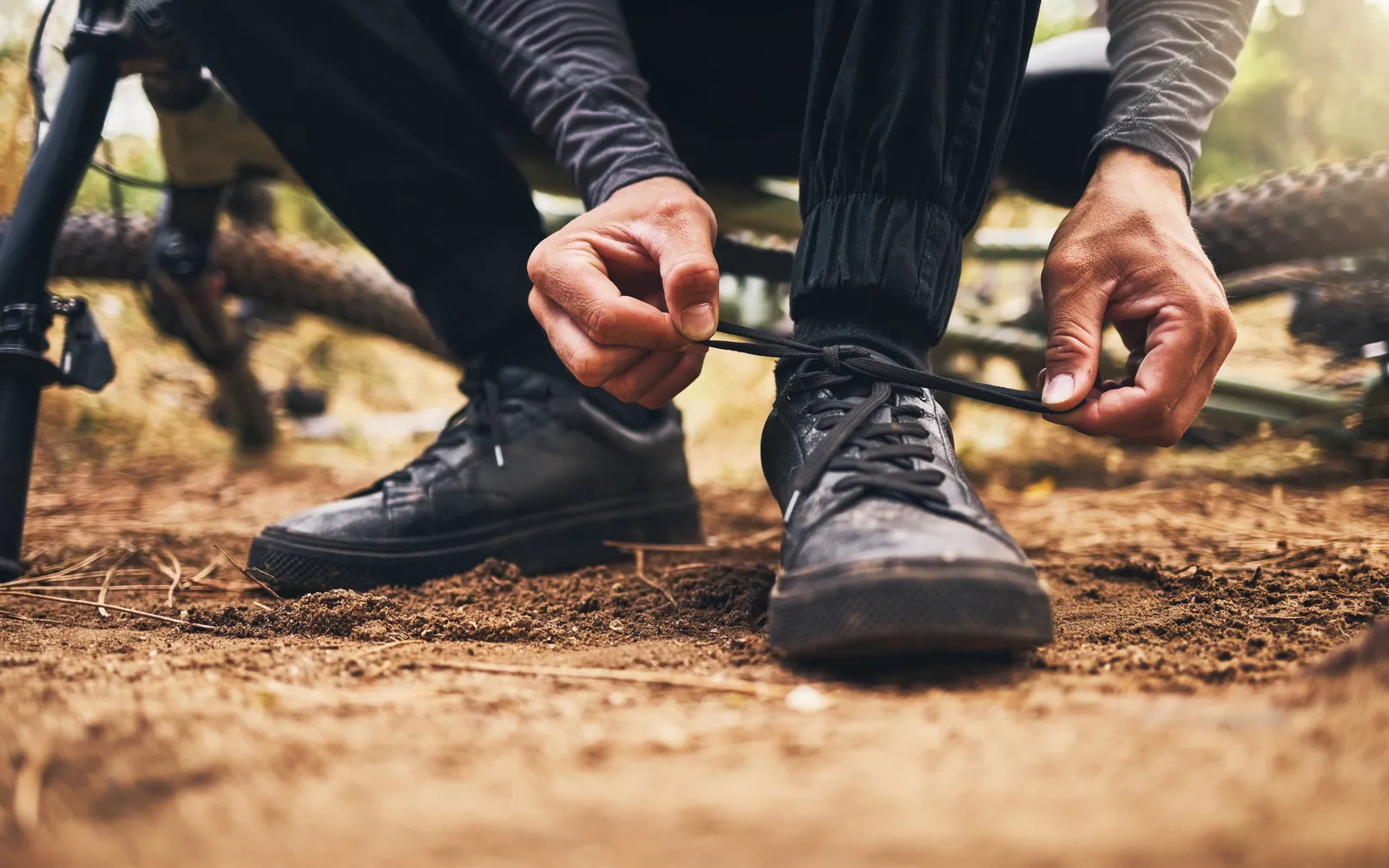
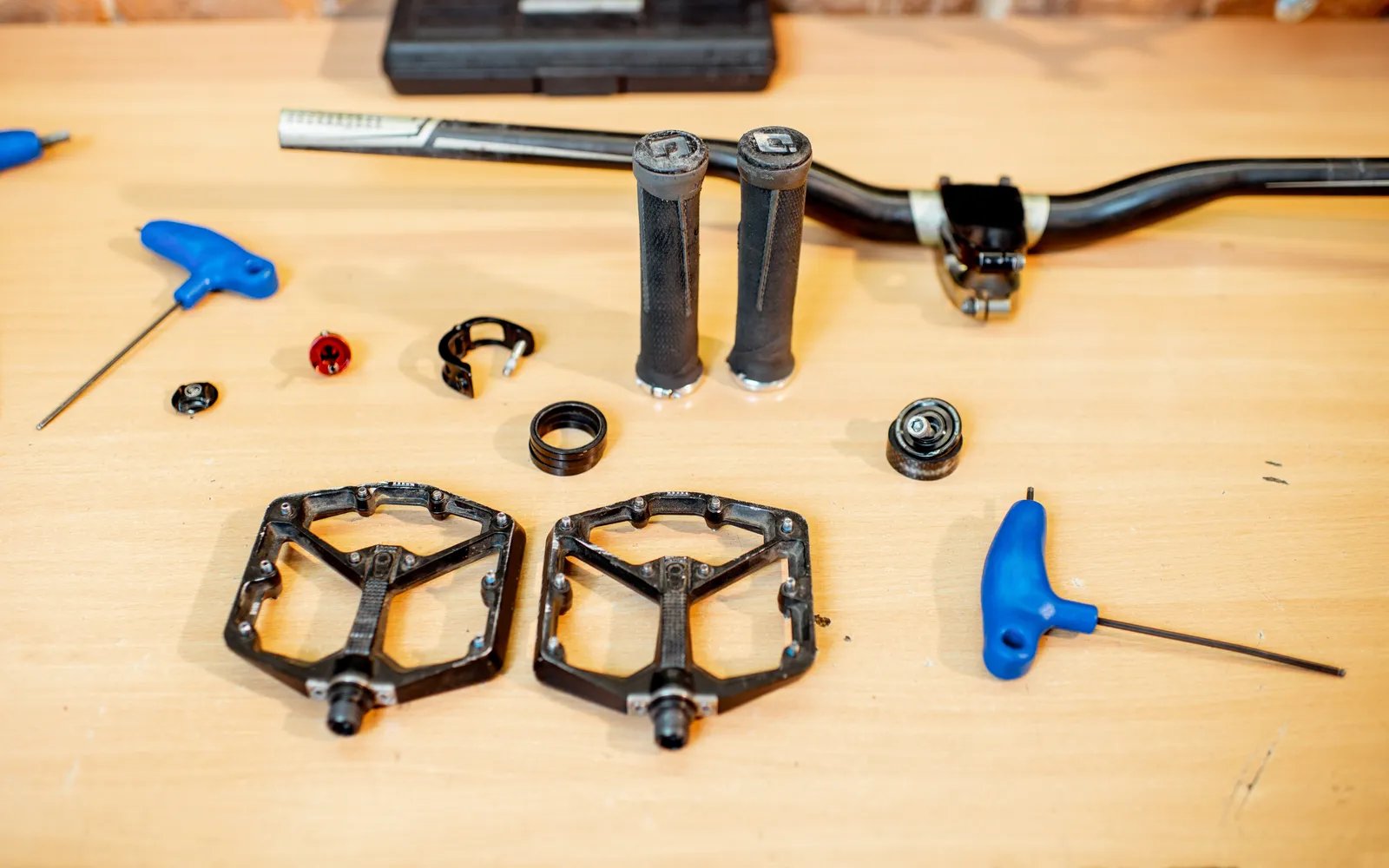
Pedal type: flat pedals or clipless
Choosing bike pedals means deciding first between flat pedals and clipless pedals, and then comparing grip, materials, cleat system and price against the way you ride. It comes down to a few key factors: your needs, your preferences and your riding style. In this guide we go through them in detail, from the type of pedal to the construction material and the design, so you can make an informed decision.
The first is the type of pedal that best suits the way you ride. There are two big families, flat pedals (also called platform pedals) and clipless pedals, plus dual-function models that combine both.
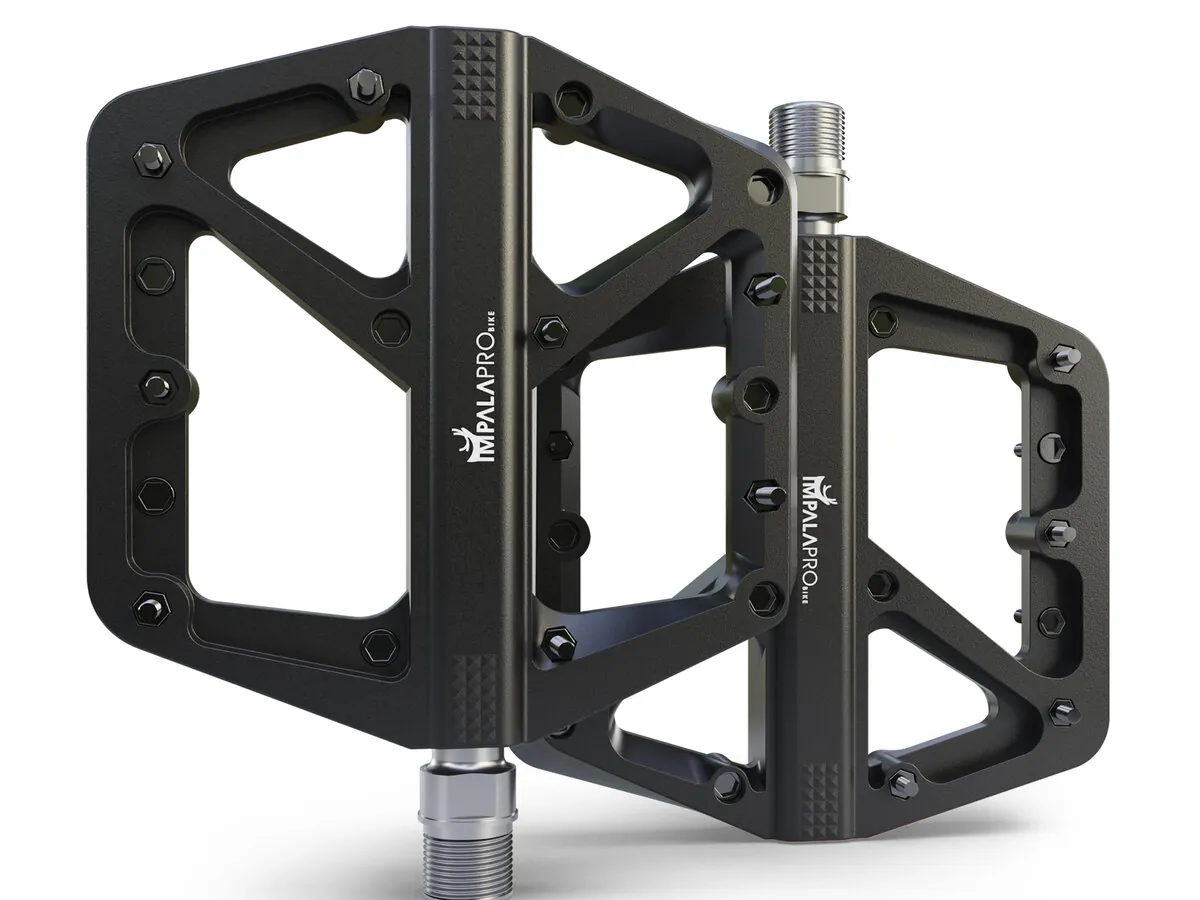
- 01Flat pedals. The most common and the easiest to use. They offer a wide, flat surface for your foot and are ideal if you are starting out or don't want to wear specific shoes. Very versatile, they work with any footwear and are perfect for leisure rides or getting around every day.
- 02Clipless pedals. They need cycling shoes with compatible cleats. Your foot is locked to the pedal, so you gain efficiency in power transfer and control of the bike. They are hugely popular on the mountain and on the road among riders chasing maximum performance.
Design and grip of flat pedals
If you go for flat pedals, look closely at the design and the grip. A good flat pedal strikes the balance between traction and comfort.
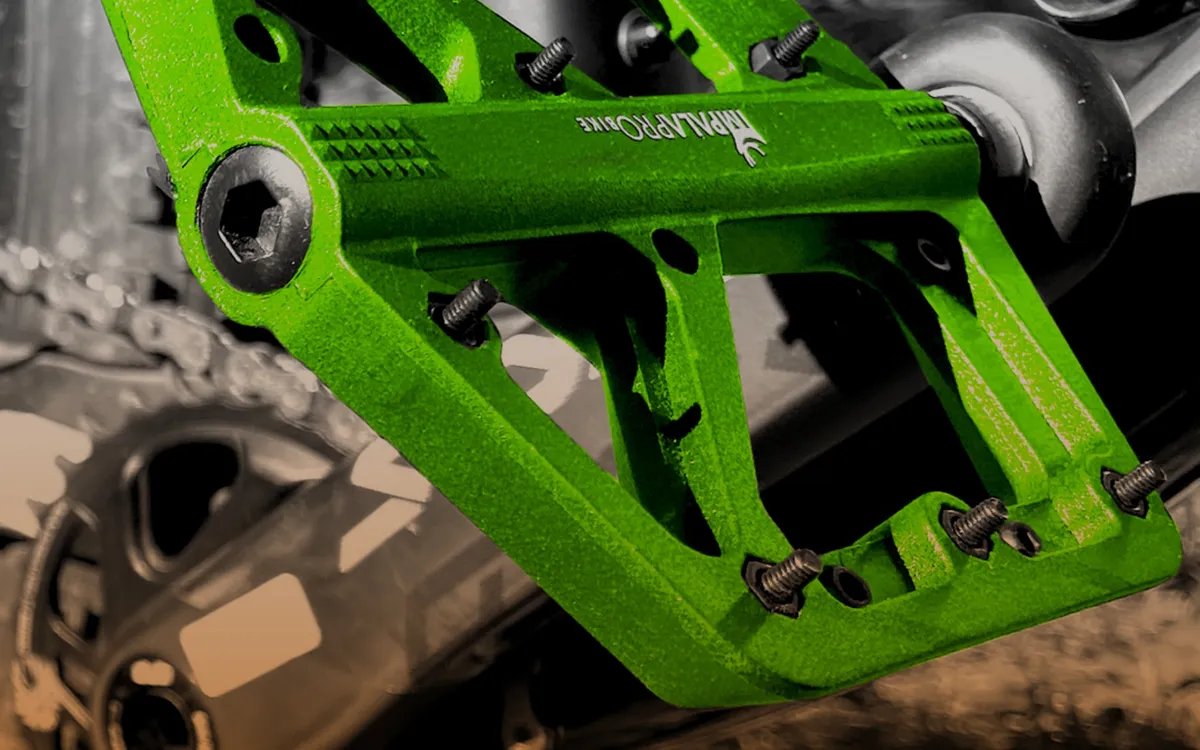
- 01Traction pins. Some pedals have pins that bite into the sole of your shoe for extra grip. They can be adjusted to tune the feel of the grip to your liking.
- 02Long pins. They give more grip, but can feel uncomfortable if you are not used to them.
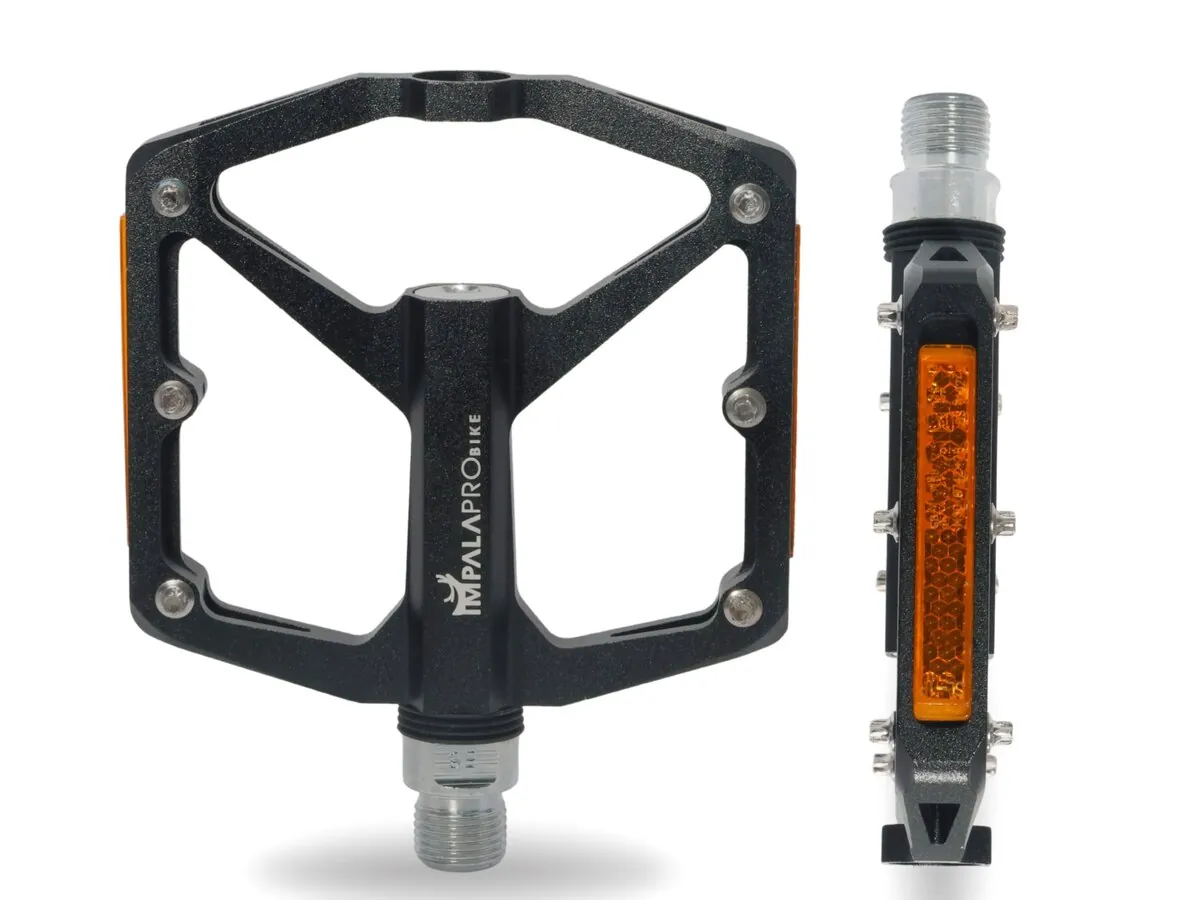
- 03Anti-slip surfaces. They give good grip without the need for pins. The ideal option if you prefer a flatter, more comfortable pedal.
Bike pedal construction materials
Materials play a big part in a pedal's durability, weight and performance. Pedals can be made from aluminum, steel, magnesium, composite, plastic… These are the most common:
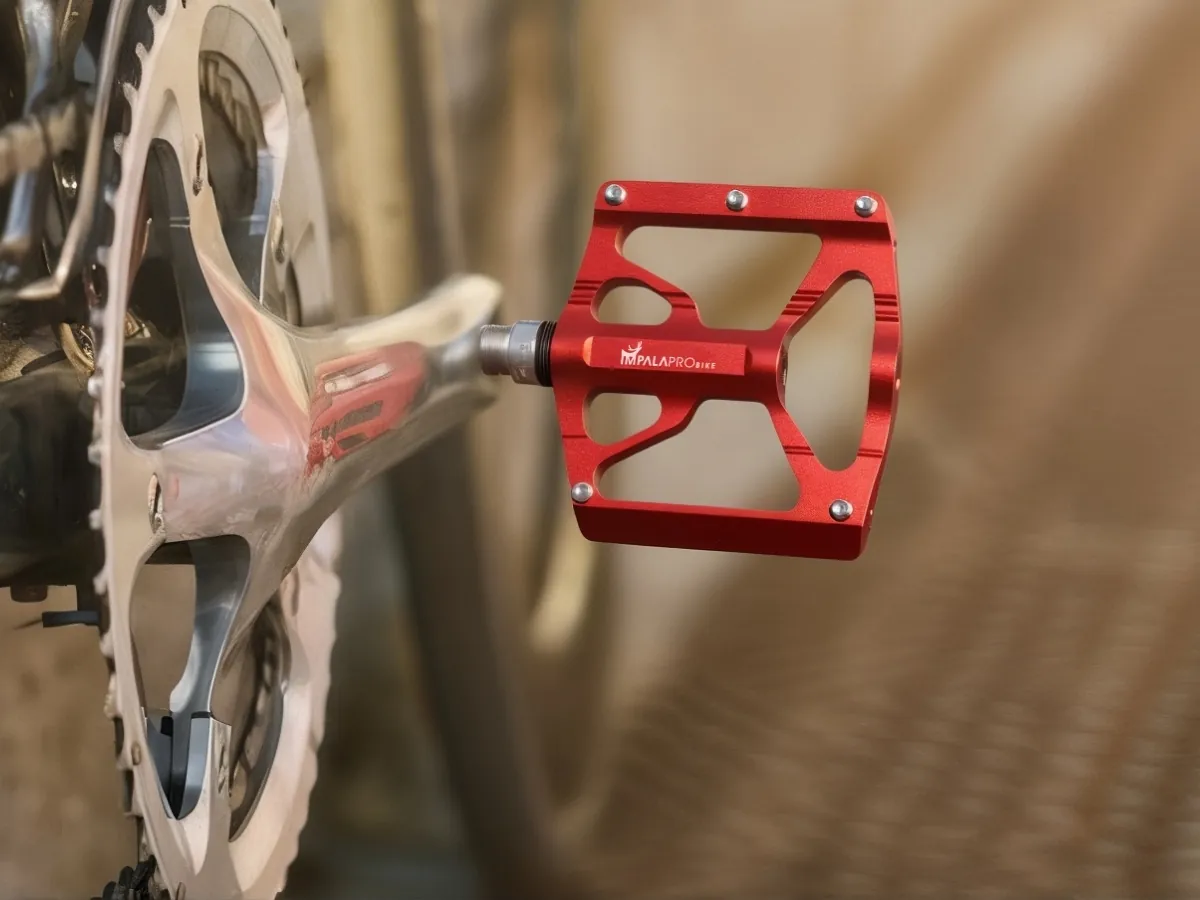
- 01Aluminum. One of the most common and popular, thanks to its strength and lightness. Aluminum pedals are durable and strike a good balance between weight and performance. Ideal for the mountain and the road if you want a tough but light pedal.
- 02Steel. Heavier but extremely durable. Suited to riders who need a tough pedal for extreme use, such as the most aggressive mountain biking.
- 03Magnesium. Even lighter than aluminum and steel, although it may not last as long. For riders who want to cut the weight of the bike to the bare minimum and are less worried about long-term durability.
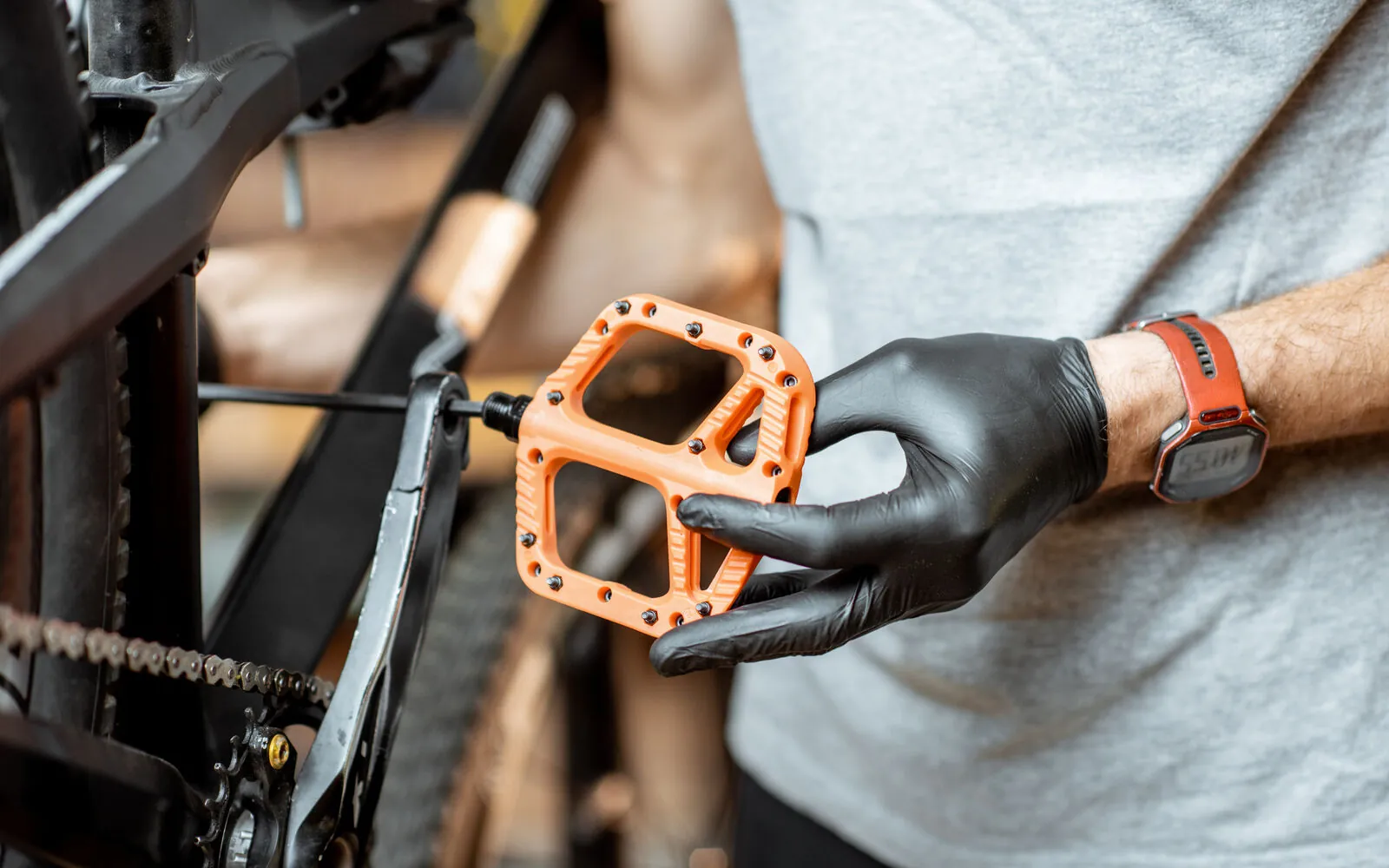
- 04Composite. It combines materials such as nylon and glass fiber, with a good weight-to-durability ratio. Some have adjustable pins to tune the grip, and the large-platform ones give stability and comfort. High-end models can have sealed bearings, far more durable and weather-resistant, ideal in wet conditions.
- 05Plastic. The cheapest and lightest, but also the least durable. For occasional use or for beginners looking for a cheap, light option.
Cleat systems for clipless pedals
If you choose clipless pedals, you will need to check the cleat system they use. There are two big families: the system compatible with SPD and the large-cleat road systems.
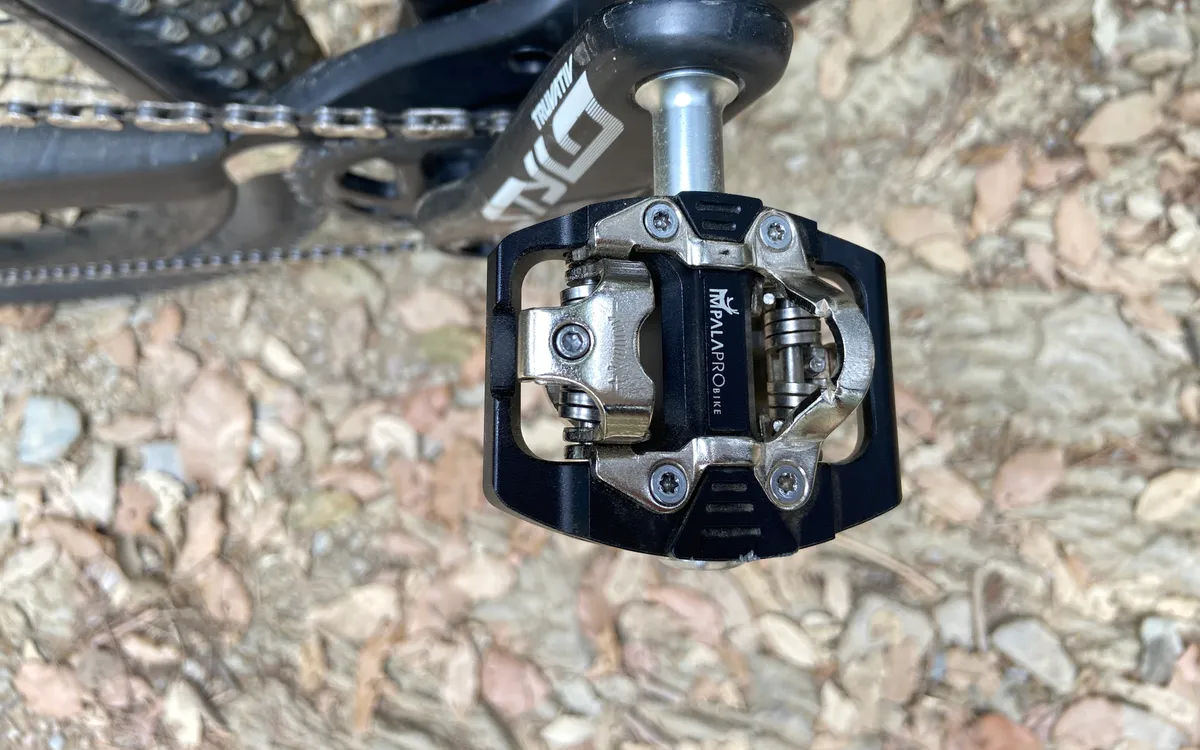
- 01System compatible with SPD. Very popular and widespread. It uses a small cleat that fits into a specific area of the shoe. It gives a secure connection and is easy to clip in and out of, which is why it is ideal for the mountain and for the road too.
- 02Large-cleat road systems. Very common in road cycling. They use a bigger cleat that gives a wider, more stable connection between pedal and shoe, known for its efficient power transfer and its stability.
Price and budget
Decide how much you want to invest in pedals. Price is an important factor and varies a lot depending on the brand, the type of pedal, the construction material and the extra features.
Set a sensible budget and look within that range. Quality and performance usually go hand in hand with price, but that does not mean you cannot find quality options at affordable prices.
- 01Clipless. Clipless pedals with cleats tend to be more expensive because of their clip-in mechanism.
- 02Flat and dual-function. They tend to be cheaper and more accessible.
- 03High-end flat pedals. Plastic pedals are the most affordable, but there are also high-performance flat pedals, in nylon fiber with one or more sealed bearings and adjustable pins, that can cost as much as a good clipless pedal.
Other factors to consider
Beyond the type, the material and the price, think about these three points:
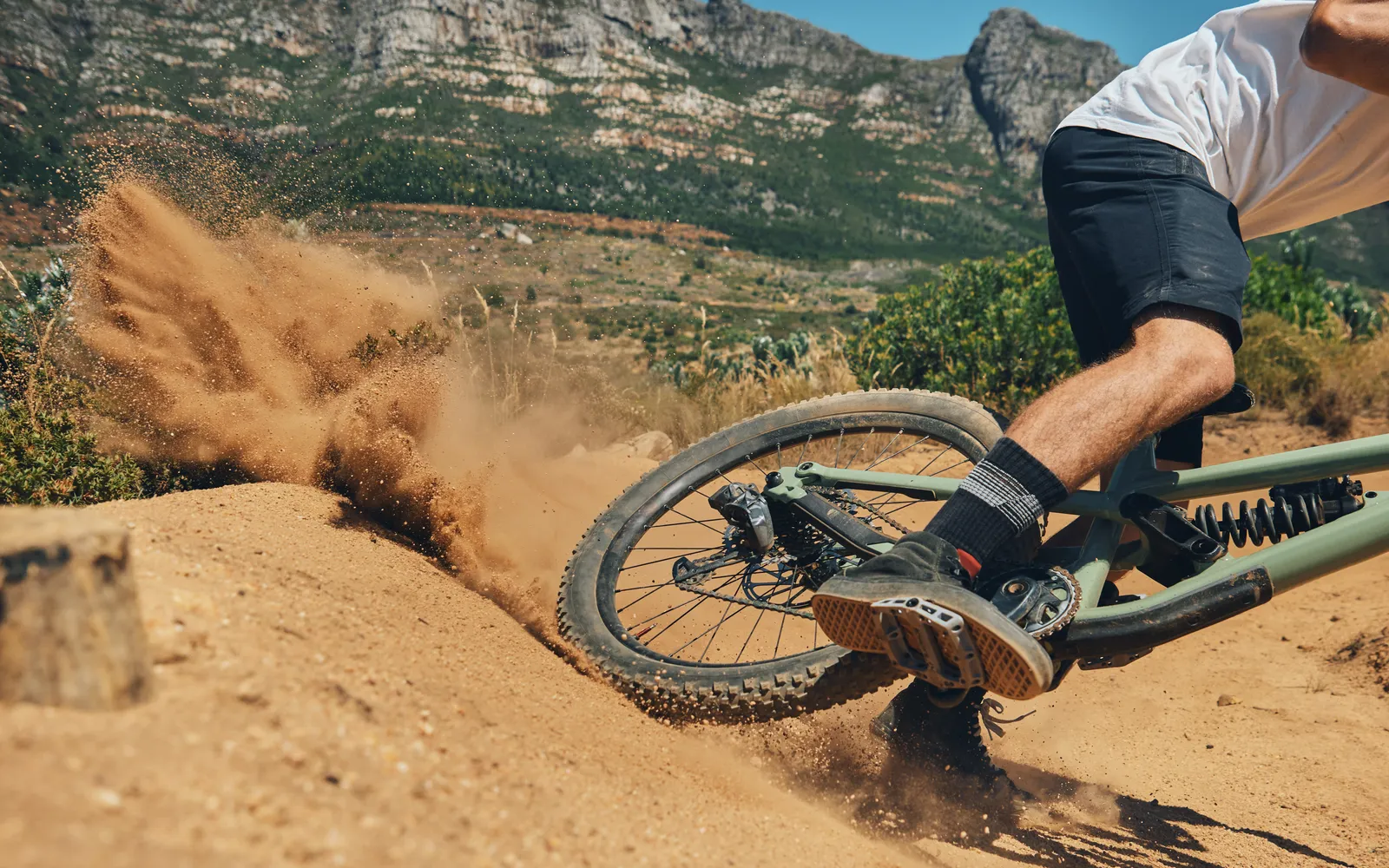
- 01Type of riding. Think about what you ride most. For the mountain or touring, you may prefer flat or dual-function pedals, which let you wear normal shoes. For road riding or racing, clipless pedals with cleats are the usual choice.
- 02Experience level. If you are starting out, flat pedals are a good option: more surface for your foot and easy to use. Once you gain experience and want more pedaling efficiency, you can move on to clipless pedals.
- 03Comfort and preferences. Think about which shoes feel most comfortable and how much connection you want with the pedal. Flat pedals give freedom of movement with any footwear; clipless pedals, a more solid and efficient connection, but with specific shoes.
Remember that choosing pedals is a personal decision. What matters most is that they give you confidence and comfort, and let you enjoy every ride to the full.
Frequently asked questions
It depends on the type of pedal, the materials and the maintenance. In general, good-quality, well-maintained pedals can last many years of regular use.
Flat (platform) pedals are flat pedals that take any footwear, ideal for starting out or for casual riding. Clipless pedals need specific cycling shoes and give more efficient power transfer and better control of the bike.
On Amazon.com, the best-selling MTB pedals cost around $10 to $27, well-known brands around $50, and high-end models from about $107 to over $200, depending on the type of pedal, the materials and the features. As a rule, $10 to $30 is where you find good value for money.
It can feel a little awkward at first, but with practice and patience you quickly get used to clipping in and out. Practice in a safe, flat area before heading into tricky terrain.
That they are durable, light, easy to maintain and compatible with the thread standard of your bike's cranks.
Road pedals are built for maximum pedaling efficiency and aerodynamics on flat terrain. Mountain bike pedals are more durable, give more traction and, with a larger platform and studs on the surface, let you walk comfortably.
They are a very popular clipless pedal system, especially in mountain biking. They give a secure connection between shoe and pedal, efficient pedaling and a quick release when you need it.
Ultralight pedals made from high-end materials such as titanium or carbon fiber. They are ideal for riders who want to keep the weight of their bike to a minimum.
It varies with quality and use. High-end pedals can last many years, while entry-level ones may need replacing sooner. Keeping them clean and well lubricated extends their life.
If you are new to mountain biking, it may be better to start with flat pedals to build balance and bike handling. Once you feel comfortable, try clipless pedals to improve your pedaling efficiency.
It can matter, especially if you race or chase maximum performance. For most recreational riders, the difference in weight does not significantly change the experience.
Flat or platform pedals with good traction. They take normal shoes and make it easy to get on and off the bike many times.
Yes. There are pedals designed to be used both with cycling shoes and with normal footwear, usually with a larger platform and adjustable studs to give traction with any sole.
Clipless pedals with a system compatible with SPD, for their reliability, their pedaling efficiency and the wide range of options for different styles and preferences.
The same rules apply as on any bike. On commuter and trail e-bikes most riders choose wide flat pedals with good grip and sealed bearings, because you get on and off often and ride in everyday shoes; if you ride hard off-road, clipless or dual-sided pedals work too. Check the thread: most adult e-bikes use the standard 9/16" pedal thread.