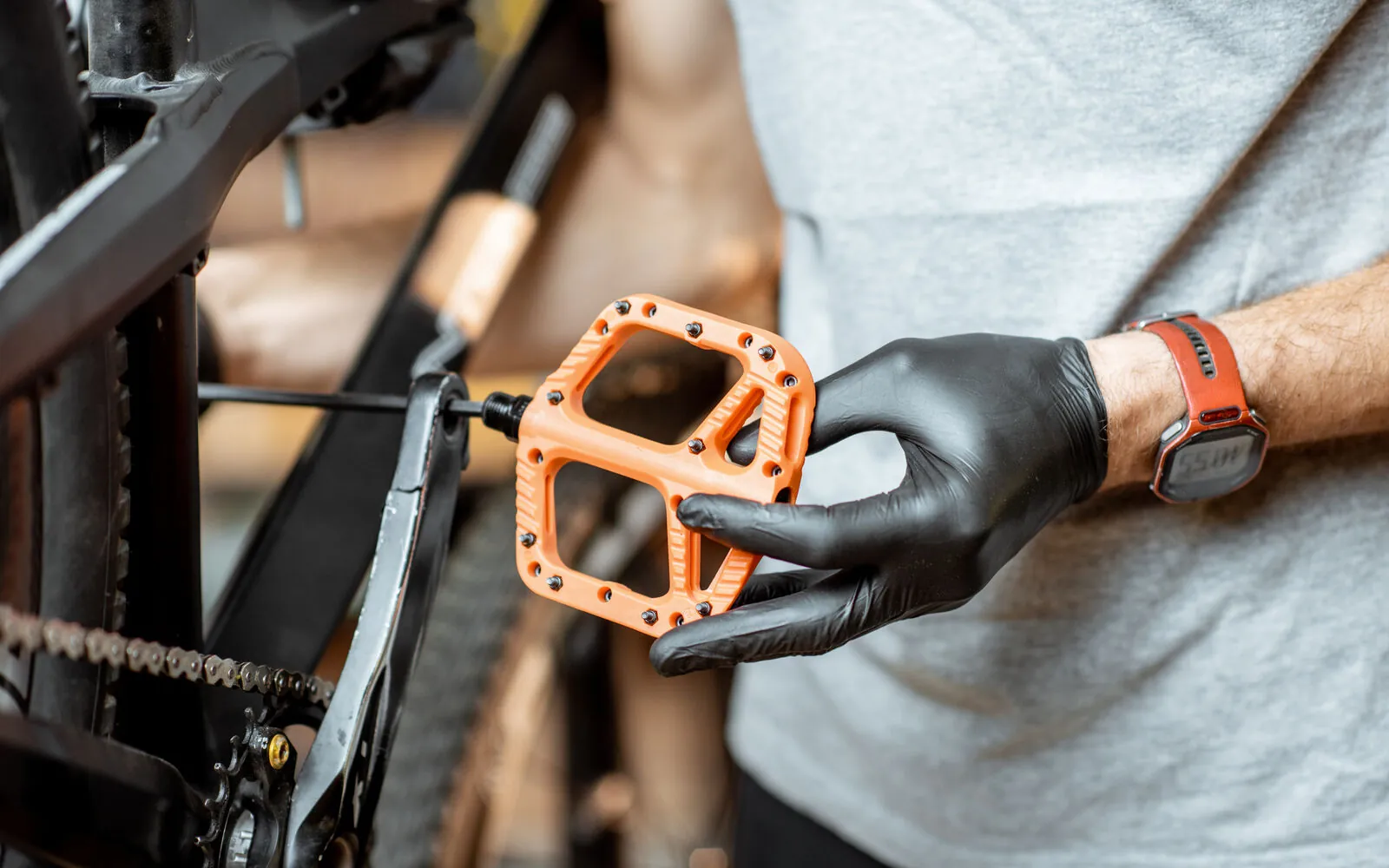
What are flat bike pedals?
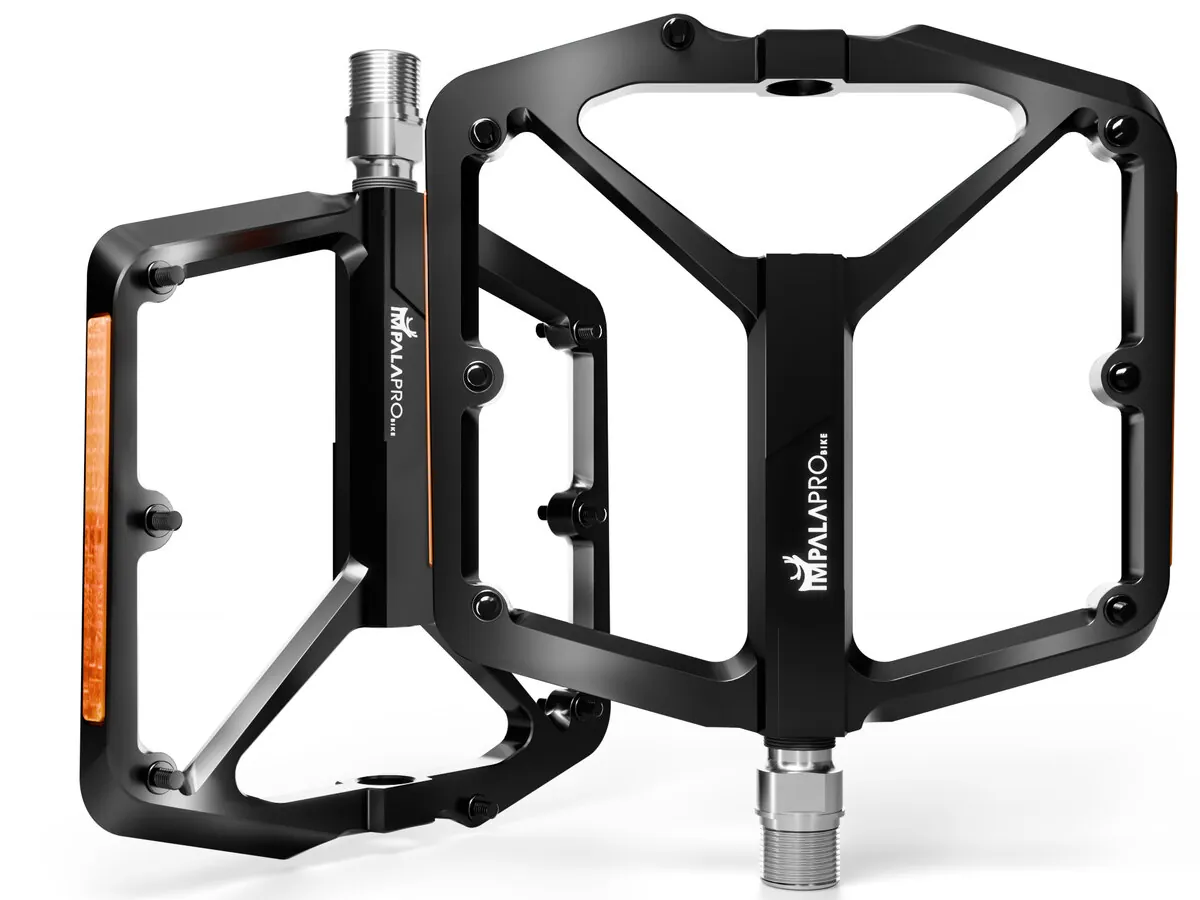
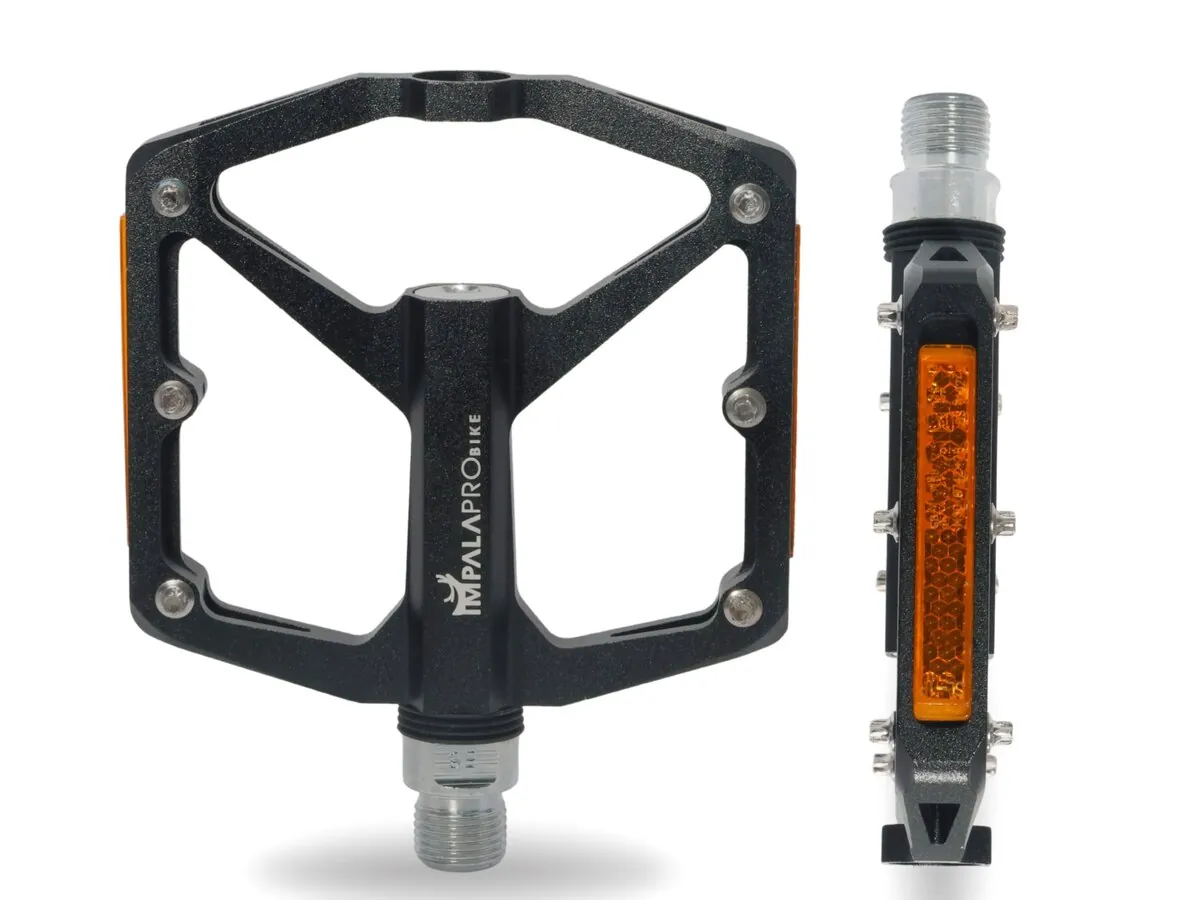
Flat pedals (also called platform pedals) are bike pedals with a wide, flat surface and no cleat system: your foot rests on the platform, held by its grip and pins, and comes off whenever you want. If you're into bikes, you've surely heard of them and how popular they are across every discipline. In this guide we look at what they are, which types exist, how to choose the right ones for you and what benefits they bring.
As the name suggests, they're pedals with a flat surface where you rest your foot as you pedal. Unlike clipless pedals, you're not attached to the bike by a cleat system on your shoe, and that's exactly what gives them their ease of use and freedom of movement.
- 01Flat surface. They consist of a platform to support your foot, with no retention system like the one on clipless pedals.
- 02Replaceable pins. Depending on the design, they have pins so your shoes grip better.
- 03Any shoes. As they don't use cleats, sneakers, cycling shoes or even everyday shoes all work.
- 04Every discipline. From urban cycling to mountain biking, thanks to how easy they are to use and the freedom they give.
Types of flat pedals for your bike
There are three main families. The difference lies in the grip and the terrain they're designed for.
- 01Traditional flats. The most basic and common type, a flat platform without pins. They grip less than the others, but they're ideal if you're starting out, want to ride relaxed or don't want to wear specific cycling shoes.
- 02Replaceable pins. The favorites of more experienced riders and anyone after more grip. Small metal pins on the platform bite into the sole, increasing traction and stopping your foot from slipping. Their advantage is that you can adjust their height and number to your taste and the terrain you ride.
- 03Discipline-specific. Designed for downhill, enduro or dirt jumping. They usually have a bigger platform, more strength and a greater ability to take impacts. If you specialize in one of these disciplines, do your research and choose a pedal that suits what you need.
To see each family in more detail, read our complete guide to the types of flat pedals.
GUIDE TO THE TYPES OF FLAT PEDALSHow to choose the right flat bike pedals
Choosing the right pedals is essential to enjoying every ride. Compare these five factors.
- 01Size and shape. They affect comfort and stability as you pedal. Look for a pedal that matches the size of your foot and leaves you room to move it freely.
- 02Material and durability. They can be aluminum, steel or plastic composites. Look at the material and how long it will last, especially if you ride aggressively, jump or take on difficult terrain.
- 03Retention system. They don't need a binding like clipless pedals, but some models add extras to improve grip, such as replaceable pins. Make sure they suit your style and preferences.
- 04Weight and design. Weight affects efficiency and manoeuvrability, so find the balance between durability and lightness. Design also influences performance and looks: choose one you like that matches your style.
- 05Experience and preferences. Your experience counts for a lot in the choice. If you're starting out, go for traditional flats before moving on to more advanced models. Intermediate level: a pinned pedal that improves your hold. The most demanding riders: discipline-specific models, with wider platforms where needed and particular materials such as nylon or metal.
To go deeper, read our complete guide to choosing the best bike pedals.
HOW TO CHOOSE THE BEST BIKE PEDALS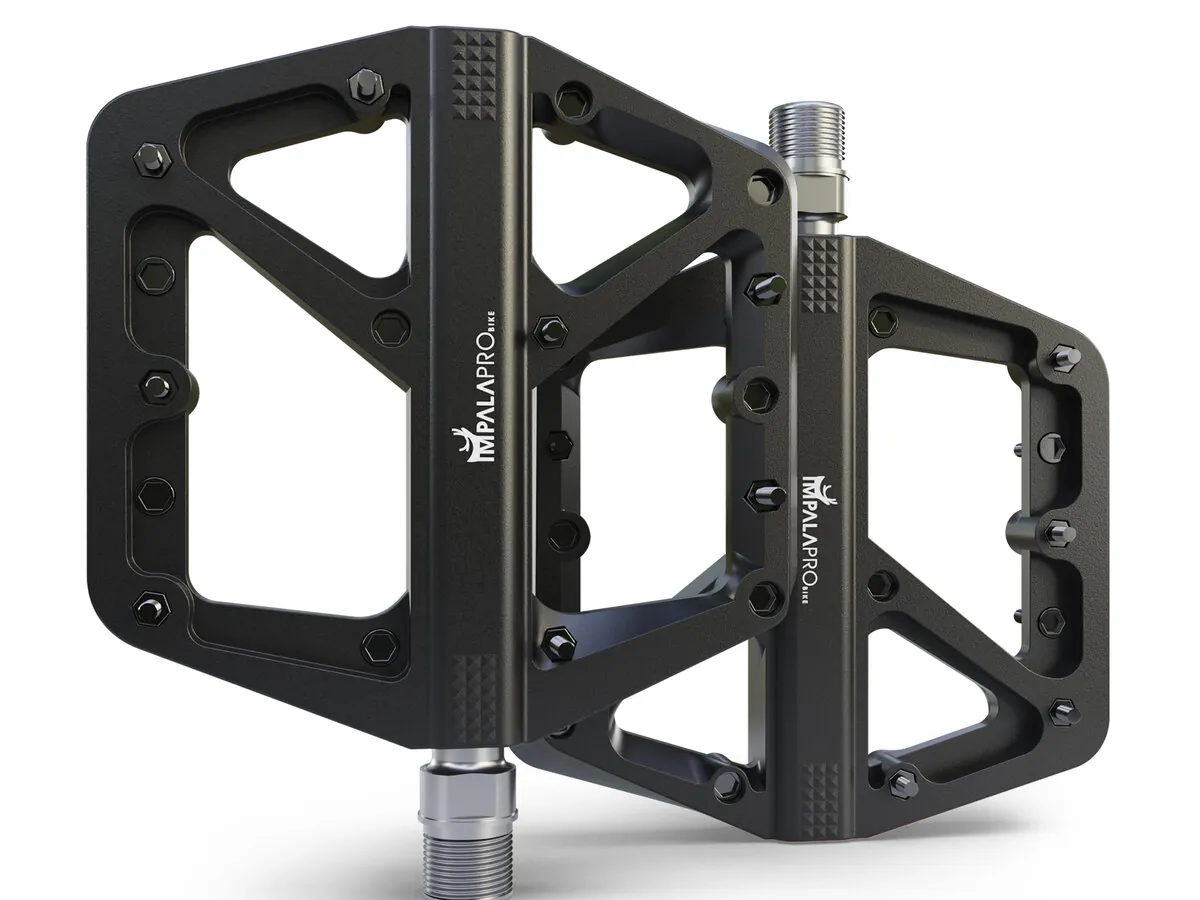
The benefits of flat bike pedals
They're very versatile and bring something to riders in every discipline. That's why so many stick with them.
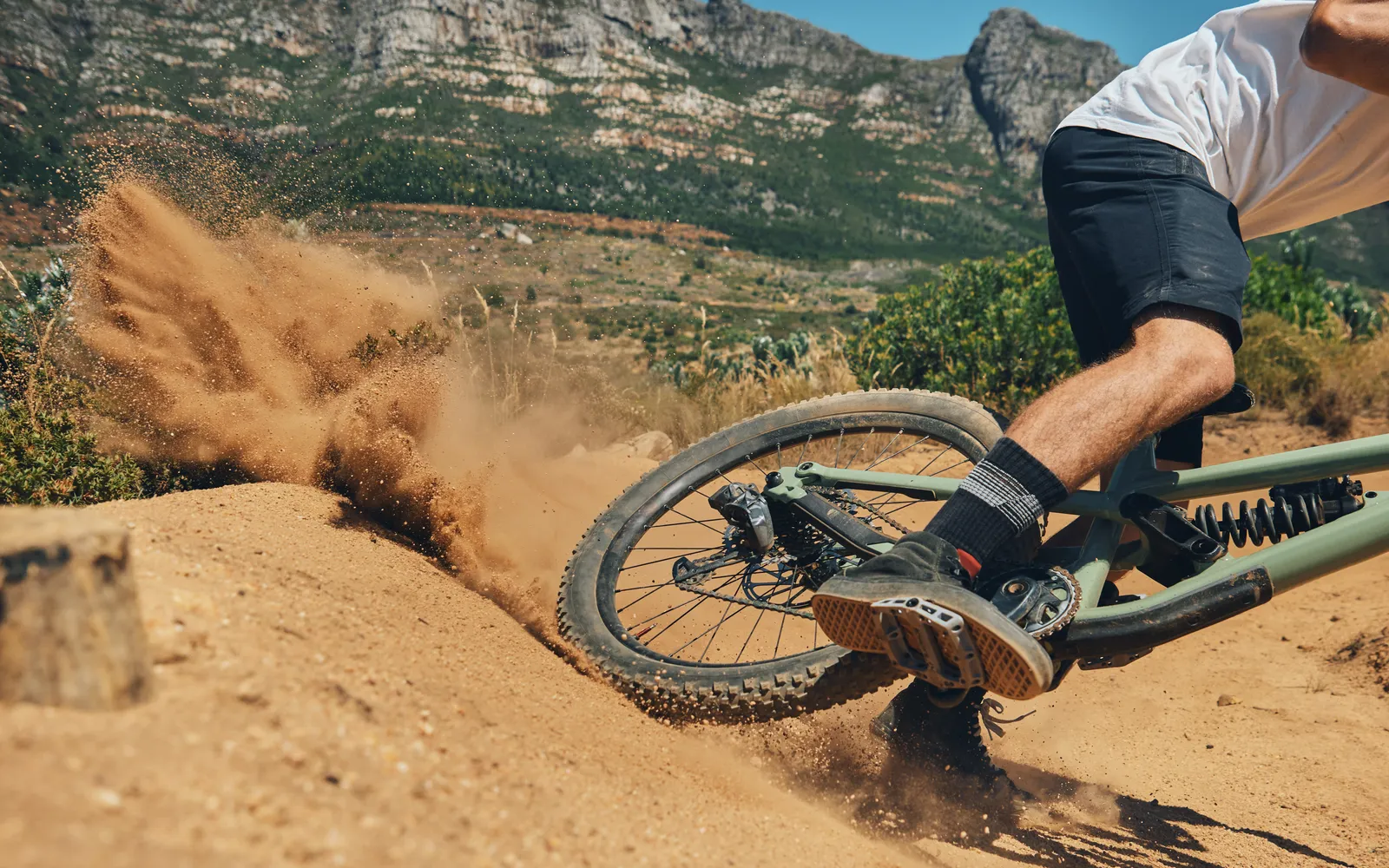
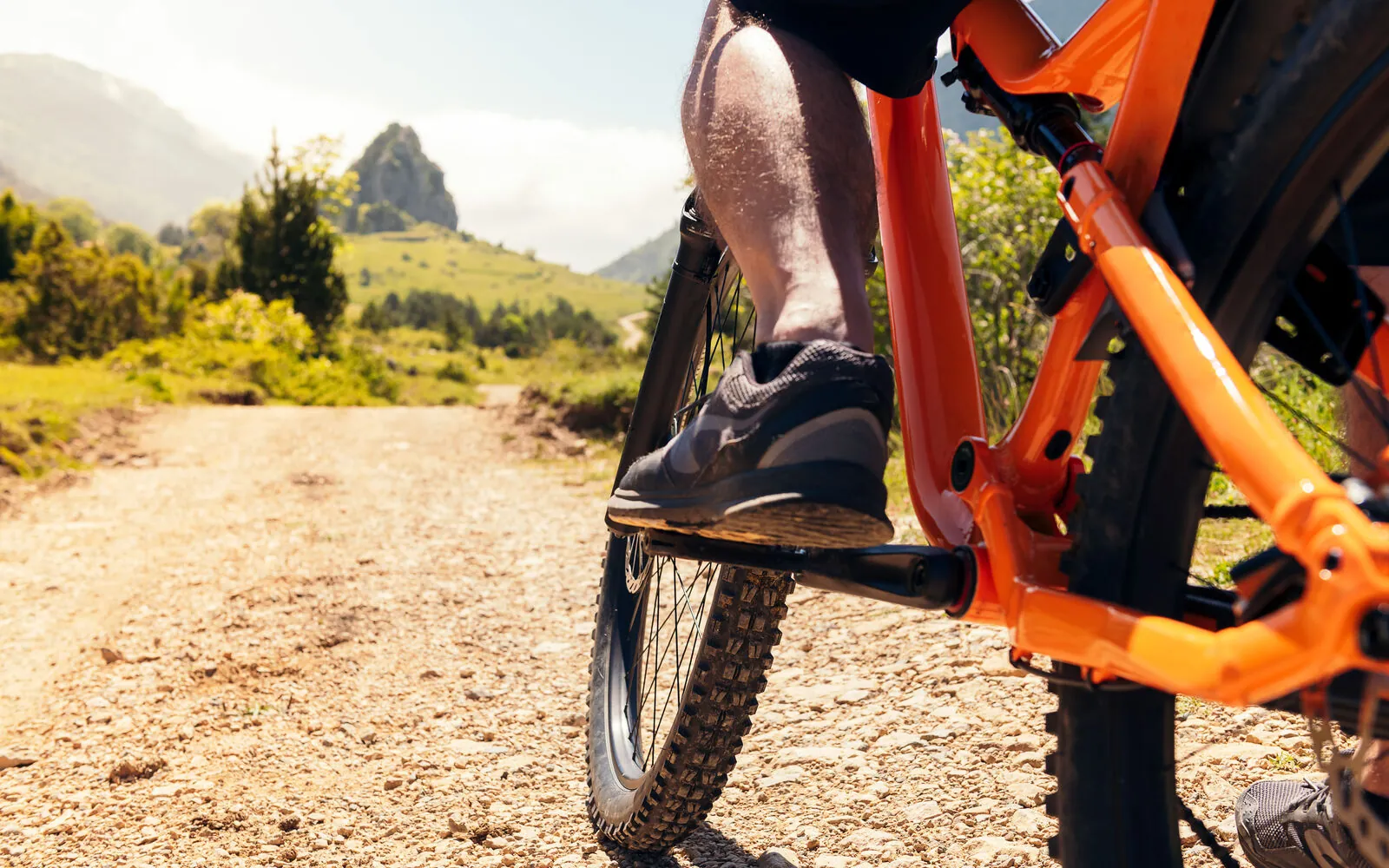
- 01Stability and control. A wider base for your foot as you pedal means more stability and more control of the bike, especially on rough or technical terrain. You place your foot in whatever position feels most comfortable and find the right balance.
- 02Foot free instantly. With no clipping in or out of cleats, your foot goes on and comes off quickly. Very useful when you suddenly have to put a foot down, at traffic lights or in front of an unexpected obstacle. Not being tied to the pedal gives you a greater sense of control and safety in an emergency, and reduces the risk of injury.
- 03Any shoes. One of their great advantages. No special shoes or cleats, so they're very practical if you use your bike both for getting around town and for relaxed rides.
- 04Versatile. They're used in many disciplines, from mountain biking to urban cycling and touring. Ideal if you ride several disciplines or prefer to ride relaxed and unrestricted.
How to ride flat bike pedals properly
They're easy to use, but using them well makes you more efficient and safer. These are the tips that make the difference.
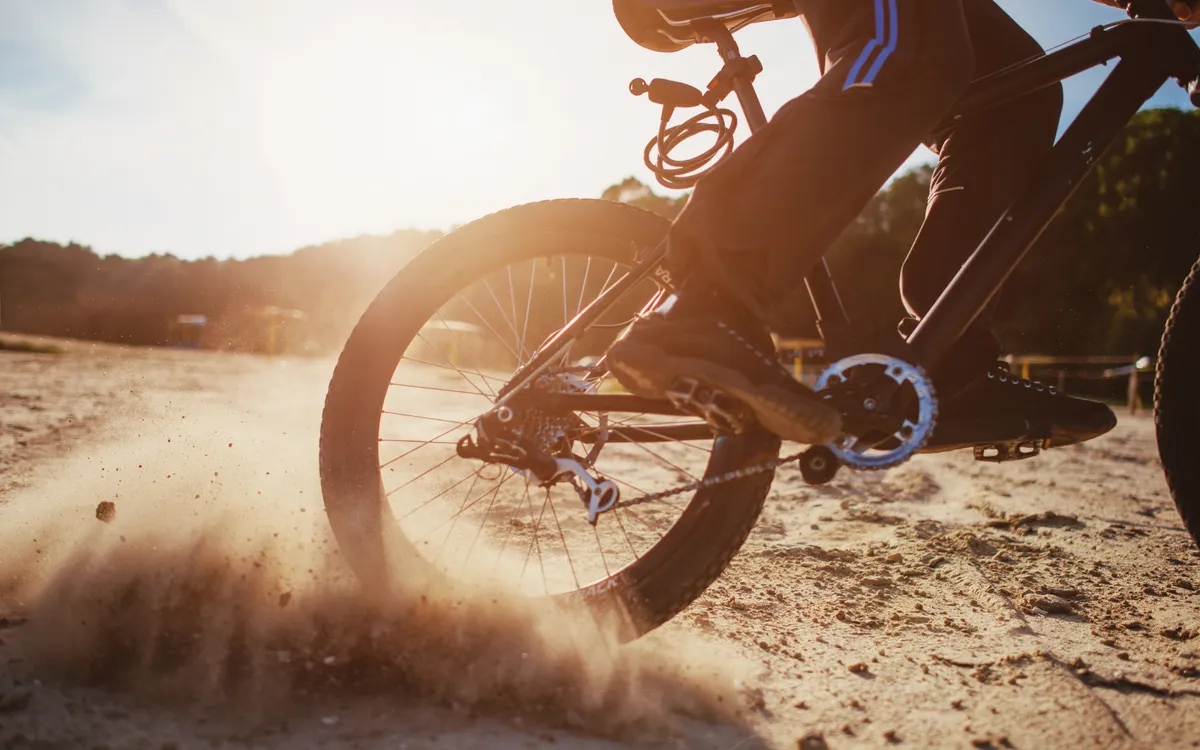
- 01Posture and technique. Knees bent and feet balanced on the pedals, without overloading the pedals or putting too much weight on your heels. A smooth, circular pedal stroke, with no sudden movements or jerks.
- 02Saddle height. Adjust it so your leg is almost fully extended when the pedal is at its furthest point from your hip.
- 03Cleaning. Like any other bike component, pedals need maintenance. Remove dirt and mud regularly.
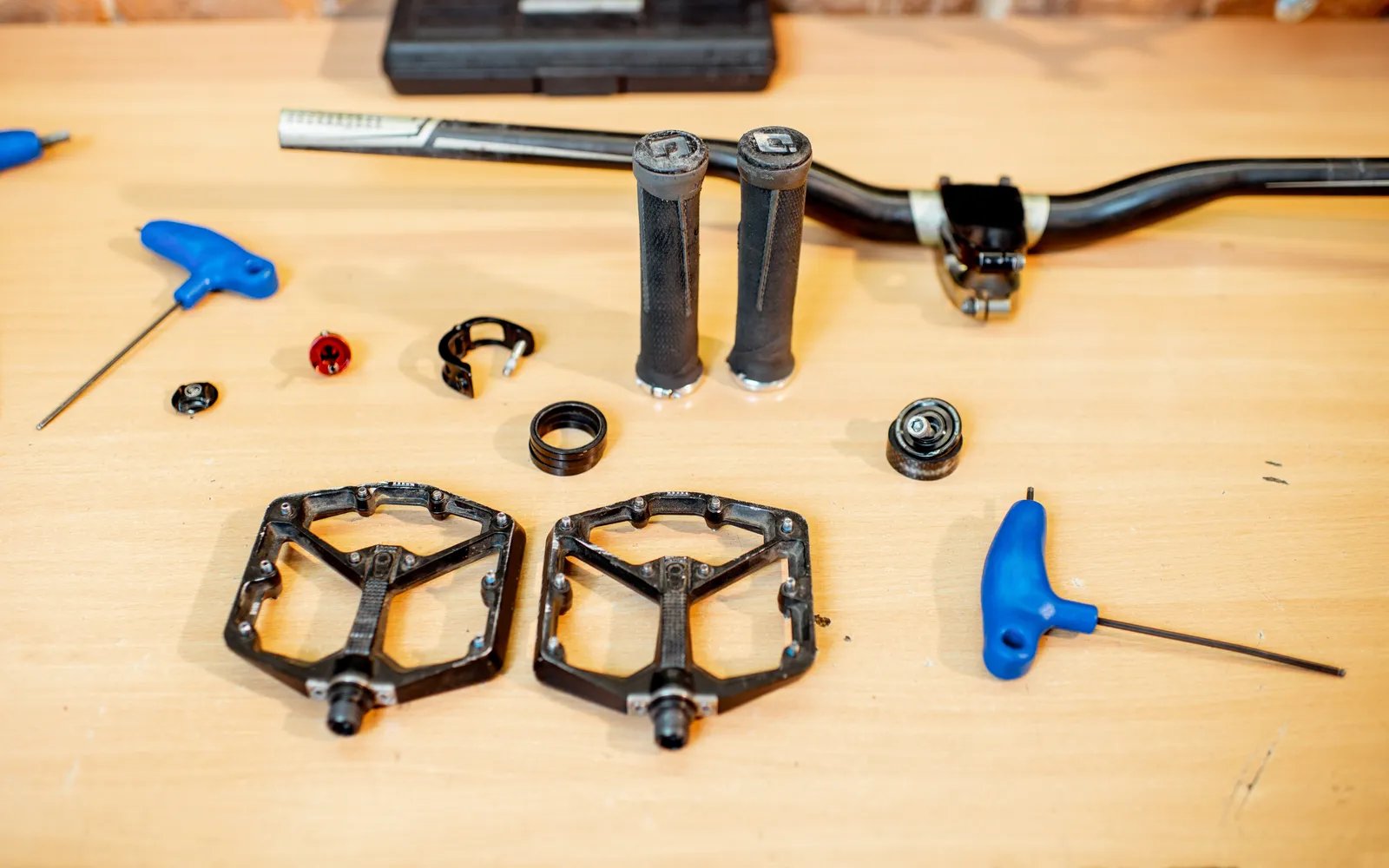
- 04Lubrication and pins. Lubricate the axles and check the pins are properly tightened. If they wear or get damaged, replace them so you don't lose grip.
There's more detail in our guide to how to ride flat pedals.
HOW TO RIDE FLAT PEDALSBeginner tips for flat bike pedals
If you've just switched to flat pedals, take it step by step. These two tips will save you a few scares.
- 01Practice on safe ground. Before tackling tricky terrain, start in flat, safe areas. Get used to how the pedal feels and adjust your posture and technique bit by bit. Once you feel comfortable, move on to more demanding terrain.
- 02Build up the difficulty gradually. Don't put pressure on yourself at first. Start with short, easy rides, then increase the difficulty and duration. That way you build confidence and improve your technique progressively.
Flat pedals are an excellent choice if you're after control, stability and versatility. Whether you ride in the city, in the mountains or in any other discipline, they bring clear benefits and are easy to use. Choose the one that best suits your style, paying attention to size, material and retention system.
Frequently asked questions
No. Flat pedals work with any type of footwear; you don't need specific cycling shoes.
Yes. Even so, clipless pedals are more common on the road, for their efficiency and performance advantages.
There are many well-known brands. IMPALAPRO has a range of flat pedals in several models and colors. More than the brand, compare material, platform size, bearings and traction.
The material they're made of (aluminum, nylon…), the platform size, the quality of the bearings and the traction they offer.
The ones that combine durability, excellent traction and impact resistance. That's what we aim for with IMPALAPRO pedals.
Clean them regularly with water and mild soap. Also check and lubricate the bearings according to the manufacturer's instructions.
They're more common in mountain biking, but they also work on the road if you prefer to pedal without clipping in. That said, they don't match the efficiency of a road pedal with a cleat system.
No. Standard flat-soled cycling shoes or normal sneakers will do. For more grip and comfort, it's best to choose shoes designed specifically for flat pedals.
Yes. They give you a solid, stable base to manoeuvre and let you move your feet quickly if needed.
For most of them: cross-country, trail, enduro and downhill. In highly specialized racing, such as high-performance XC, riders tend to use clipless pedals for efficiency.
They can be, especially if you want a more relaxed position and don't want to be clipped in all the time. In return, you may lose some efficiency compared with clipless pedals.
Slightly. Without a retention mechanism you don't apply force on the upstroke, only when pushing down. The difference is usually minimal and is offset by good pedaling technique.
In extreme situations, when you need to get your feet off quickly, they respond faster and more safely, because you're not attached to any binding.
Generally yes, as long as it has the standard pedal thread. Mountain, road or hybrid: they fit without any problem.