An introduction to flat bike pedals
If you're passionate about cycling, you already know how much it matters to fit the right components to your bike. Flat pedals are one of them, and they play a key role in how every pedal stroke feels. In this guide we go through every type of flat or platform pedal you'll find on the market, from basic, budget-friendly bike pedals to the most advanced and specialised, so you can find the one that best fits what you need.
They're a popular choice among many riders because they connect rider and bike in the simplest, safest way: put your foot down and pedal.
- 01Flat, wide surface. Your whole foot rests on a generous platform, so you pedal efficiently and comfortably.
- 02Simple, safe interface. Nothing to clip in or out of between you and the bike. If you need to put a foot down, you put it down.
- 03No cleats. They're especially useful if you don't want to wear specialist cycling shoes with cleats.
Types of flat pedals for your bike
Material, size, grip and intended use all change. These are all the types you'll come across.
- 01Plastic. The budget, lightweight option. Ideal for beginners and leisure riders who aren't after extreme performance. They usually have moulded pins on the surface for extra grip. They don't last as long as other materials, but they're an excellent choice if your budget is tight.
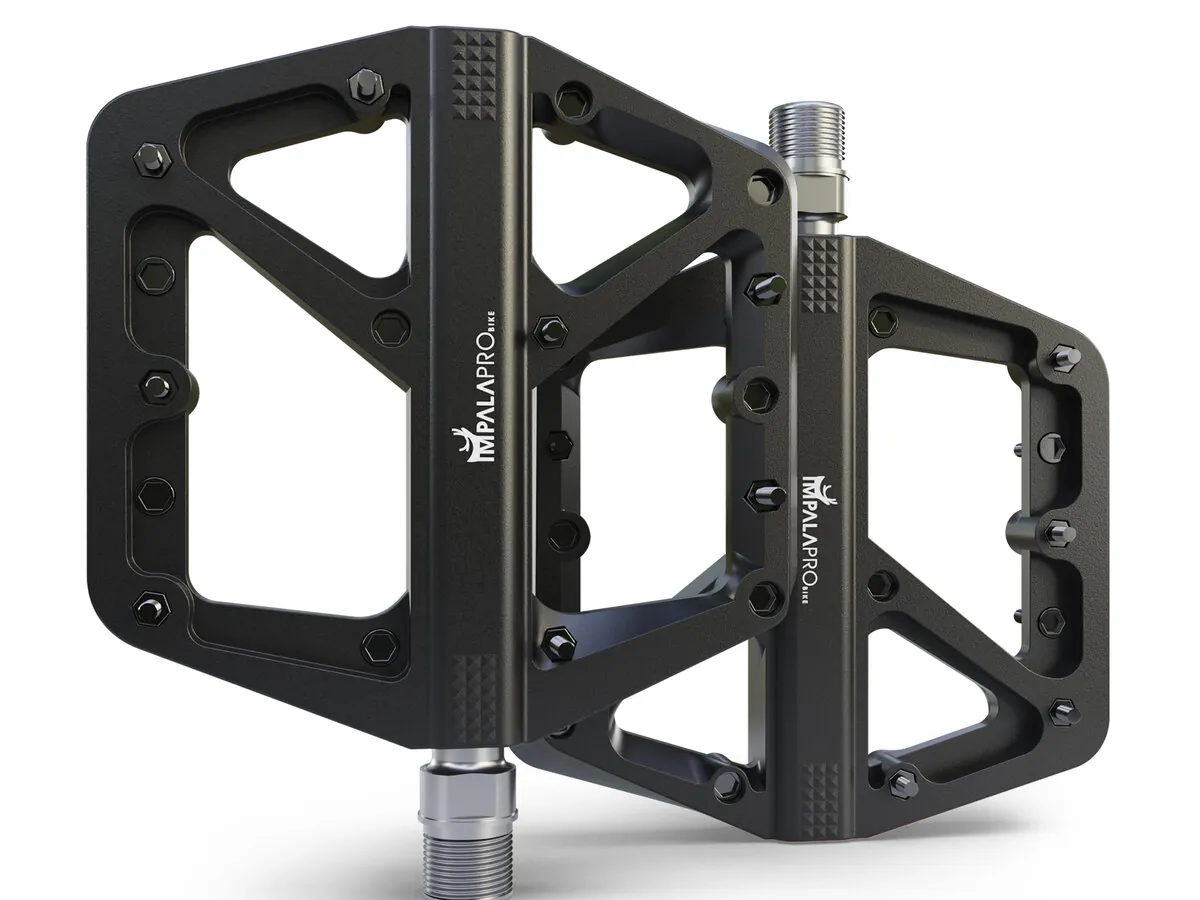
- 02Aluminium. Stronger and more durable than plastic. They offer better power transfer and usually come with replaceable pins so you can tune the grip. They're very popular with mountain bikers and urban riders looking for a step up in quality and performance.
- 03Steel. Even more solid and robust. Designed to take the punishment of the toughest terrain and the most aggressive jumps. The perfect choice for downhill, freeride and BMX, where you need a tough, reliable platform.
- 04Composite. Combining materials such as nylon and glass fibre, they offer an excellent balance of weight, durability and price. Like plastic pedals, they're a good lightweight flat pedal option, but with far greater strength and durability. They're used across many cycling styles and are especially valued for their impact resistance.
- 05Adjustable pins. They let you customise the grip to your liking. You set the pin height for a more or less aggressive bite, depending on what you need. Ideal if you want a secure feeling of connection between your feet and the pedals.
- 06Large platform. They offer a wider platform for your feet. That means more stability and comfort, especially on technical terrain and fast descents. If you ride mountain bikes and want better weight distribution and more control, they could be the one for you.
- 07Sealed bearings. Built to last longer and stand up to the weather. Sealed bearings protect the pedal's internals from dust, dirt and moisture, extending its life and keeping it spinning smoothly. If you ride in the wet or the mud, they're an excellent choice.
- 08High performance. Designed for riders after optimal power transfer and maximum efficiency. They use advanced materials such as titanium or carbon fibre for low weight and excellent stiffness. Ideal for racing and for anyone chasing superior performance.
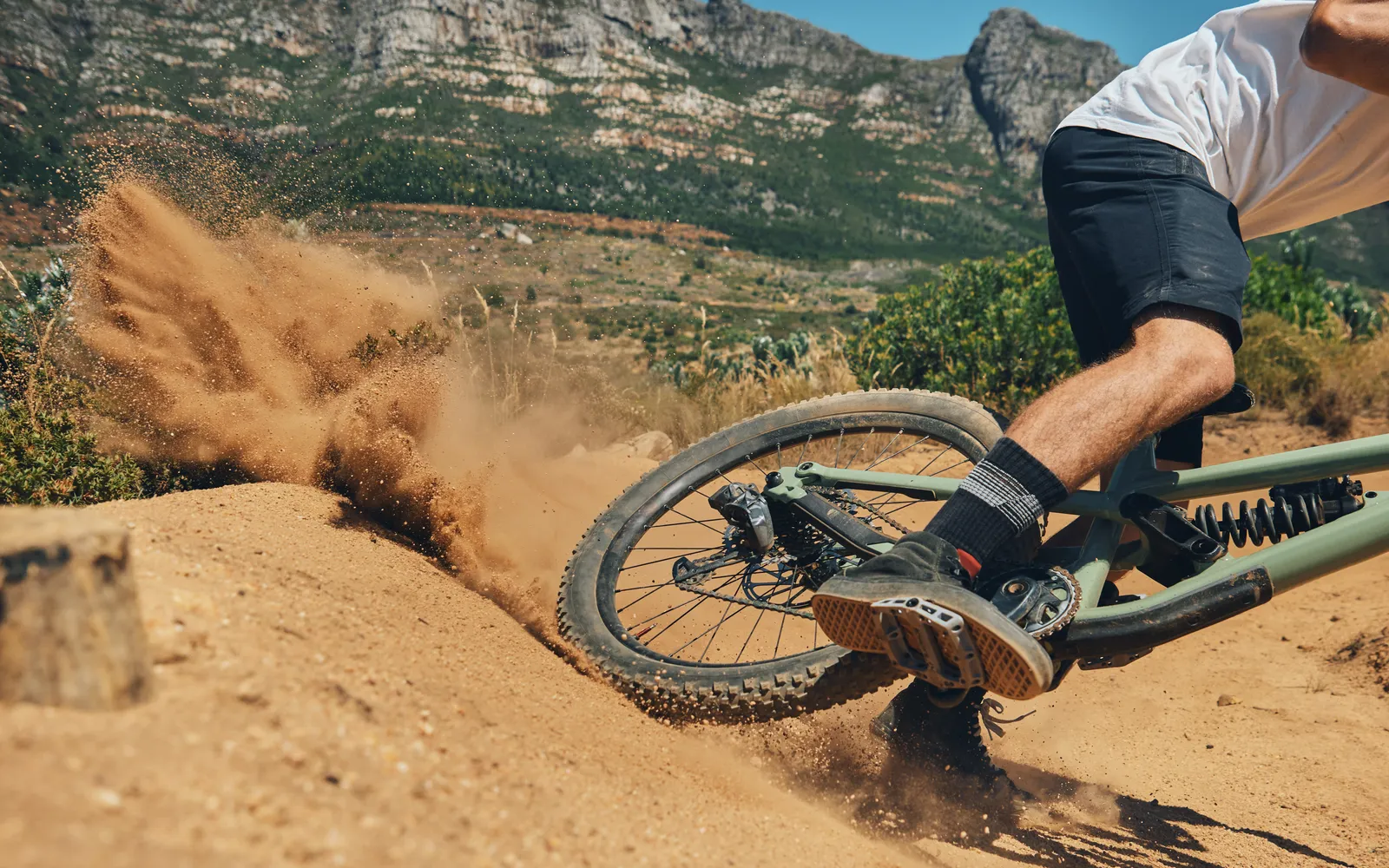
- 09For mountain biking. MTB pedals designed specifically for off-road terrain. They're usually made from a tougher material (nylon or metal) and carry more adjustable pins for better grip in difficult conditions. Many also have an open design, with large cut-outs in the platform, so mud clears quickly.
- 10For road bikes. Although they're less common on the road, there are options for riders who prefer this style. They're usually lighter and more aerodynamic than mountain bike pedals, offer a flat surface for your foot and are ideal for urban cycling and touring.
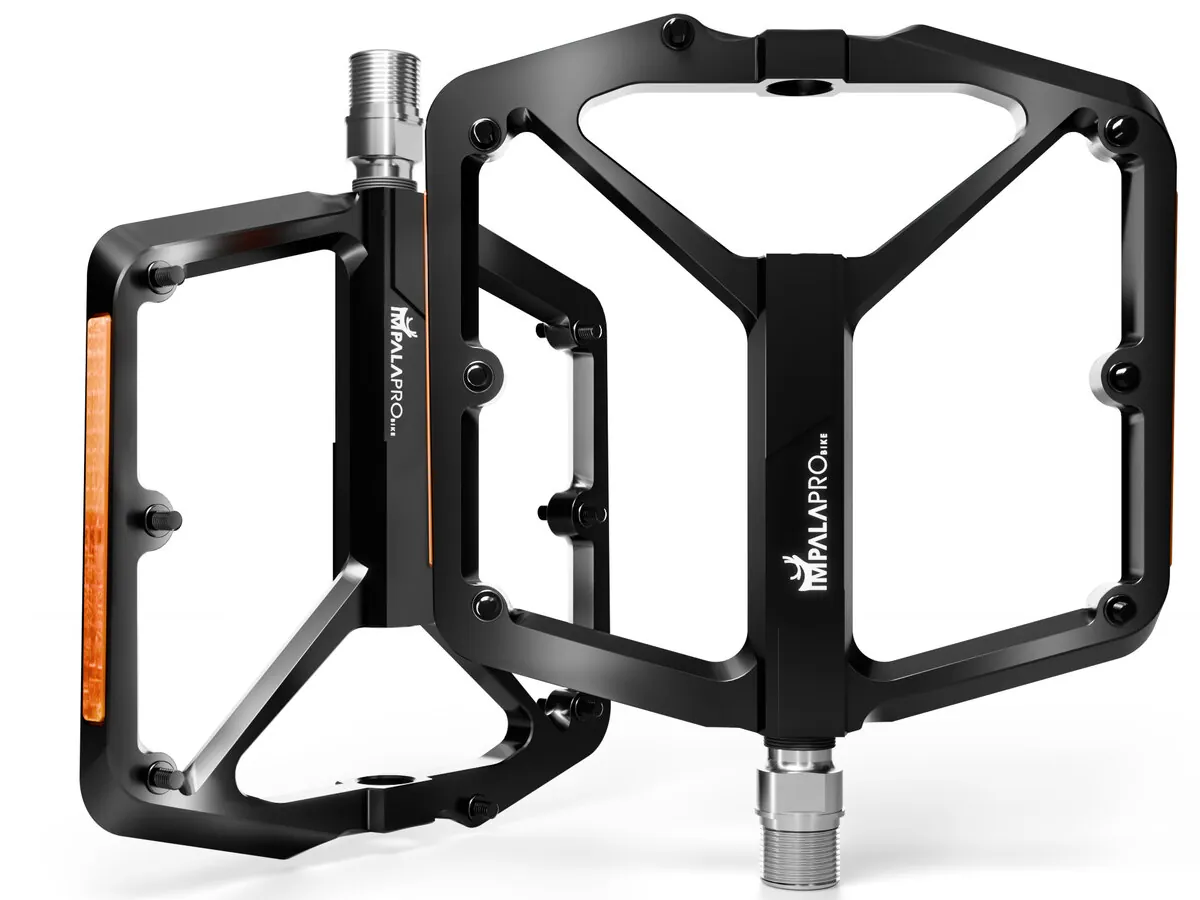
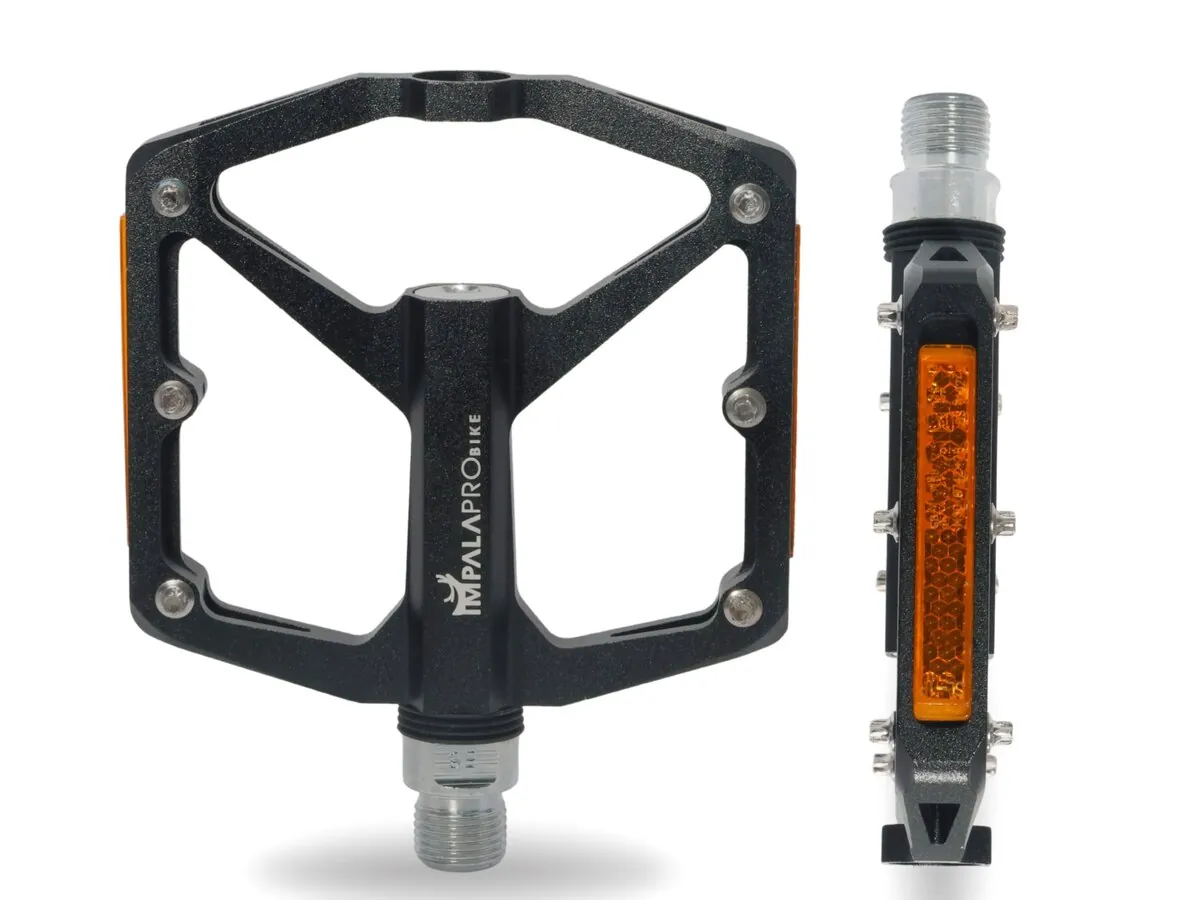
- 11For city bikes. On an urban bike, flat pedals are a practical, versatile solution, ideal for daily commuting and relaxed rides. Some models have built-in reflectors so you're more visible in low light. They're easy to use and let you ride in everyday shoes, with no need for specialist cycling shoes.
How to choose the right flat pedals for you
There's no perfect pedal for everyone. To choose well, think about your riding style, the terrain you ride most often and your level of experience. Also bear in mind your budget and the specific features you're after, such as weight, grip and durability.
- 01Style and terrain. A technical trail doesn't ask for the same as a daily commute across town.
- 02Experience level. A beginner doesn't need the same as someone with years in the saddle.
- 03Budget. It sets the range of materials and features you can aim for.
- 04Weight, grip and durability. Decide which of these matters most to you and prioritise accordingly.
- 05Try them out. Visiting a specialist bike shop helps you try different options and get personalised advice.
If you want to go deeper, read our complete guide to choosing the best bike pedals.
GUIDE TO CHOOSING THE BEST BIKE PEDALSHow to fit and maintain your flat pedals
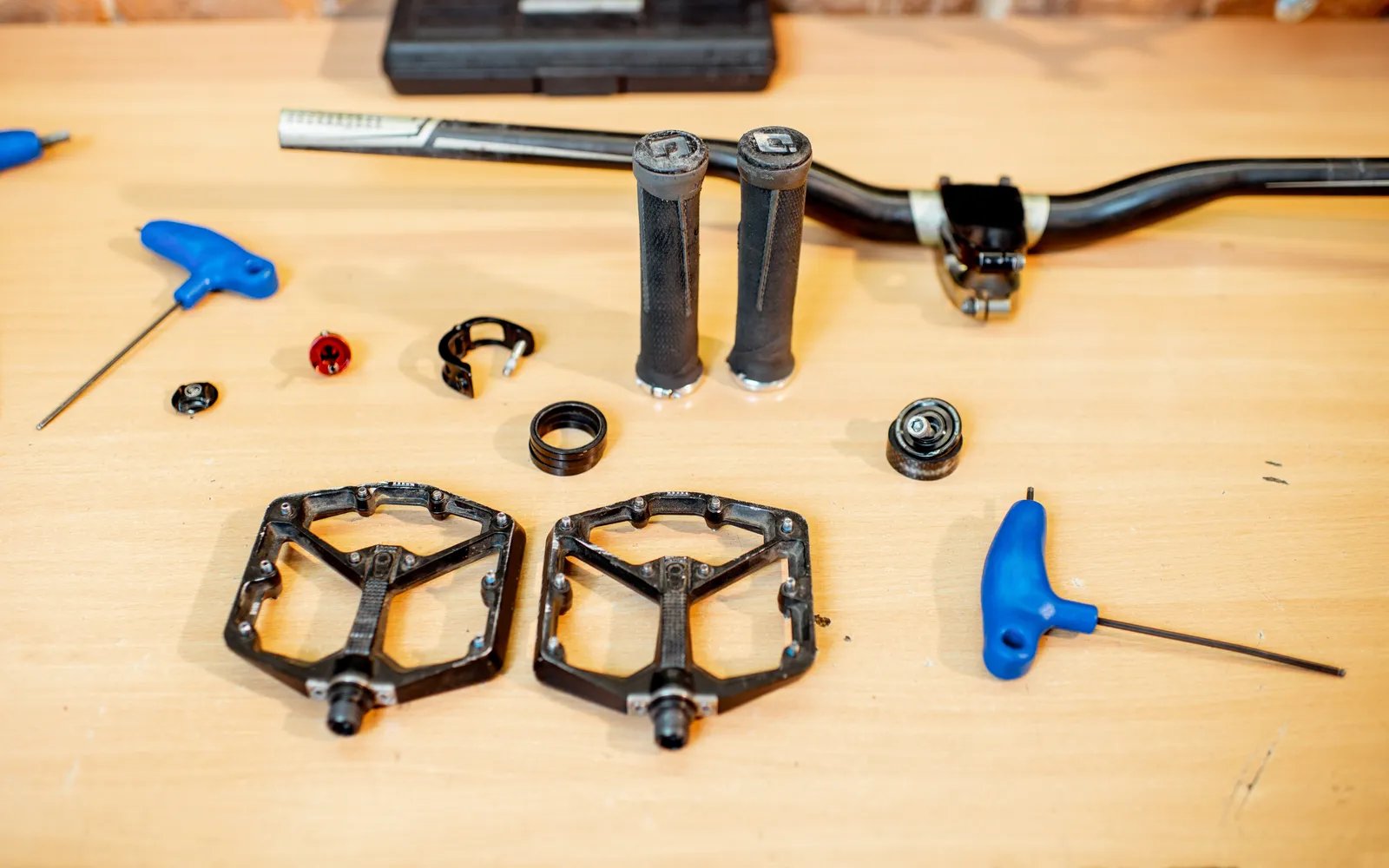
Changing pedals is a simple job if you follow the steps and have the right tools. Watch out for the left side: it has a reverse thread.
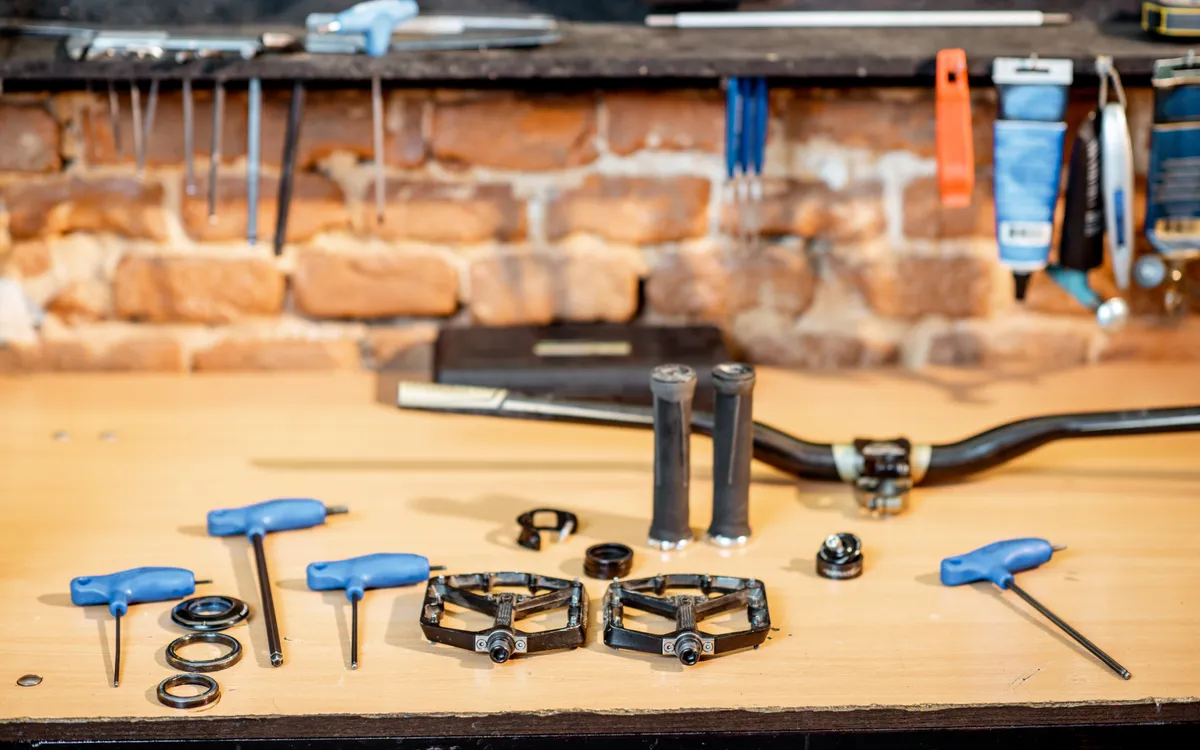
- 01Tools. Make sure you have an adjustable spanner, a hex or Allen key and bearing grease or a bike-specific lubricant to hand.
- 02Prepare the bike. Find a flat, safe area with enough light, and use a bike stand if you have one.
- 03Remove the old pedals. Using the spanner or Allen key, loosen each pedal at its base. The right one loosens anticlockwise; the left one, which has a reverse thread, loosens clockwise.
- 04Clean and lubricate. Once the old pedals are off, clean and lubricate the crank threads.
- 05Fit the new ones. Right pedal on the right crank, screwing in clockwise; left pedal on the left crank, screwing in anticlockwise.
- 06Check. Make sure the new pedals are securely fastened, with no movement or play.
- 07If in doubt, see a mechanic. If you're unsure or don't feel confident doing it yourself, take the bike to a bike shop or an expert.
Follow these steps with the right tools and changing your bike pedals is a job of a few minutes. If you want the full detail, see our step-by-step guide.
STEP-BY-STEP GUIDE TO CHANGING YOUR PEDALSTips to get the most out of your flat pedals
A good pedal performs better with the right support. Five keys:
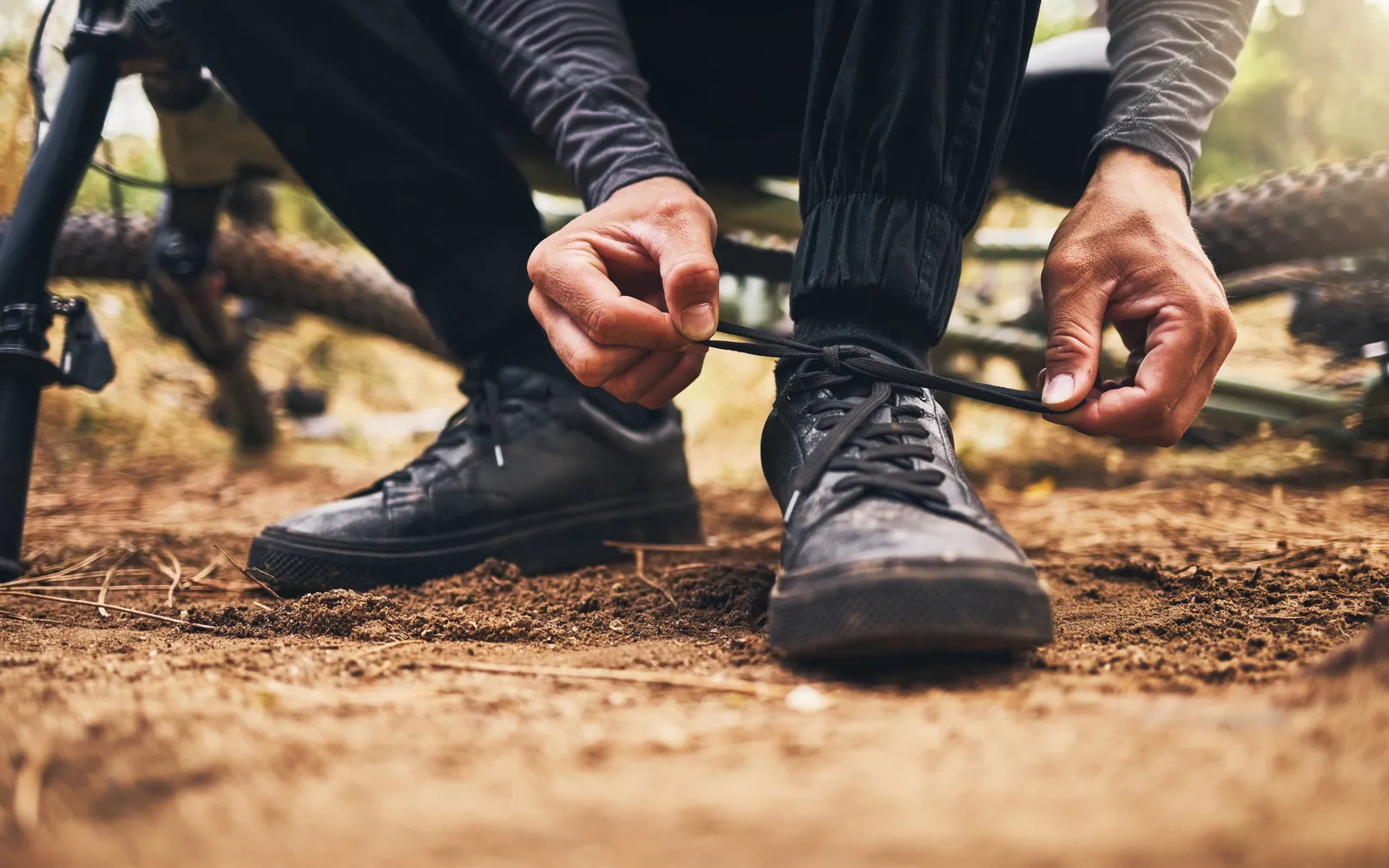
- 01The right shoes. Choose shoes with a non-slip sole for better grip on the pedal.
- 02Adjust the pins. Experiment with different heights until you find the perfect grip for your riding style.
- 03Good posture. Make sure you're well positioned when you pedal; you gain efficiency and comfort.
- 04Jumping and descending technique. If you ride mountain bikes, improving your jumping and descending skills lets you get the most out of your flat pedals.
- 05Regular maintenance. Check and adjust them regularly to make sure they're still in good condition and working properly.
Frequently asked questions
Yes. There are flat pedals designed specifically for road bikes, with a flat surface for your feet. They're ideal for urban cycling and touring.
They let you customise the grip to your preferences and give you a secure feeling of connection between your feet and the pedals.
Steel flat pedals are known for their strength and durability, and are an excellent choice for downhill and BMX. That said, nylon fibre pedals are also very tough and weigh less, which is why they're so widespread in those disciplines and in mountain biking.
Not necessarily. Flat pedals can be used with normal shoes, as long as they have a non-slip sole for better grip.
The main difference is how your foot attaches to the pedal. Clipless pedals use a cleat-based system to lock your foot in; flat pedals simply offer a flat surface to rest it on, without fixing it.
Yes. Pair them with flat, non-slip-soled shoes: they give you better traction and a more stable contact with the pedal.
The ones that combine a wide platform, good grip and a tough body. At IMPALAPRO we have nylon fibre flat pedals with fantastic value for money.
They're known for being light and durable. They offer an excellent strength-to-weight ratio and are ideal if you want to reduce your bike's weight.
Yes: they're dual-sided (hybrid) pedals. They combine features of both, so you can use cleats to lock your foot in or the flat surface when you need it.
Ones with a flat, non-slip sole, ideally with a tough construction, because they'll have to withstand abrasion and constant contact with the pedal pins.
The ones that offer grip, durability and a wide platform all at once.
Ones that combine a tough material (nylon or metal), adjustable pins and an open surface that clears mud. IMPALAPRO flat pedals are designed for exactly that kind of riding.
Although flat pedals are more common in mountain biking, some road riders prefer the feeling of freedom they offer. Look for models that are lighter and more aerodynamic than mountain bike pedals.
It depends on your preferences, your discipline and your terrain. Compare material, grip, platform size and bearings, and choose the one that best fits the way you ride.